
Chamaespartium
Chamaespartium
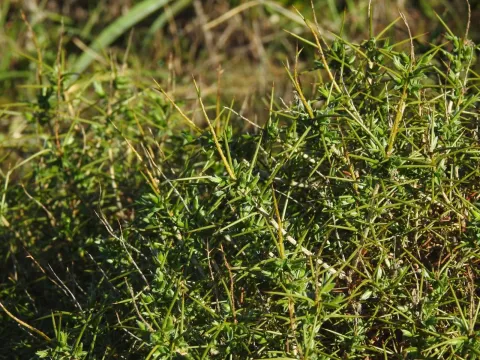
Chamaespartium is a genus of low-growing shrubs belonging to the Fabaceae family. In modern botanical taxonomy, these species are often reclassified under the Genista genus, yet the name remains significant in horticultural circles. It is a compact perennial known for forming dense, attractive mats of foliage.
What the section contains
Chamaespartium
The plant originates from the regions of Western and Southern Europe, thriving on dry, rocky slopes and open, exposed terrain. This evolutionary background makes the plant highly adaptable to nutrient-poor soils and gives it a robust biological resilience in cultivated environments.
To ensure successful growth, Chamaespartium requires well-drained, moderately dry soil with a neutral to slightly acidic pH. The plant is highly sensitive to waterlogging in the root zone; therefore, incorporating a proper drainage layer is essential, especially when planting in heavier clay-based soils.
This species prefers open, sun-drenched locations with excellent air circulation. Under shaded conditions, the plant loses its structural integrity, stems become unnecessarily elongated, and the vibrancy of its floral display diminishes, making site selection a critical factor for success.
Cultivation practices involve minimal maintenance: a light pruning immediately after the flowering period is recommended to maintain the shrub's compact habit and encourage the development of fresh, healthy shoots. The plant exhibits high frost tolerance, though light protection may be needed during harsh, snowless winters.
The primary threats to Chamaespartium involve improper soil moisture management, which frequently leads to the development of fungal root diseases. Excessive moisture is the leading cause of root rot, and maintaining proper drainage is the most effective preventative measure against this issue.
Among common pests, aphids pose the most significant risk, as they tend to infest young shoots and inflorescences during the peak growing season. Damaged areas can become distorted and lose aesthetic value, necessitating timely inspection and targeted insecticide applications if infestations occur.
Spider mites may also affect the plant during prolonged dry spells or extreme heat waves. Regular monitoring of the foliage allows for early detection of these pests, enabling the gardener to intervene before significant damage to the plant's overall health occurs.
Powdery mildew can potentially affect the leaves if plants are spaced too closely or if there is a lack of sufficient ventilation. Avoiding excessive nitrogen fertilizer is recommended to prevent weak, succulent tissue growth that is more susceptible to fungal pathogens.
Overall, the culture is notably resistant to most common agricultural diseases. When standard horticultural norms are followed, the risk of losing the plants is minimal, establishing Chamaespartium as a reliable and durable choice for both landscape design and private garden collections.