
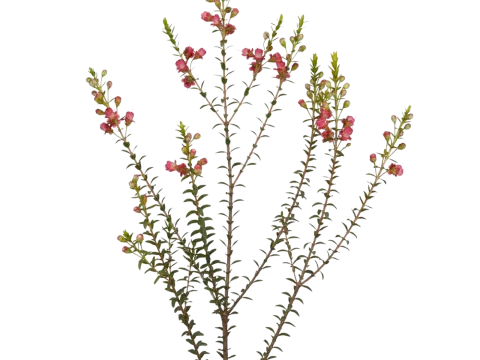
Chamecordia
Chamecordia
The sowing dates for Chamecordia depend heavily on regional climatic conditions, but generally, early spring is considered optimal when soil temperatures reach 10-12 degrees Celsius. Ensuring stable warmth is crucial for successful seed germination.
What the section contains
Chamecordia
When utilizing the transplant method, seeds are sown in a controlled environment 6-8 weeks before the intended field transplanting date. This process allows seedlings to establish a robust root system before encountering outdoor elements.
For direct seeding in open fields, choosing plots with superior drainage is paramount to prevent waterlogging, which hinders seedling development. Appropriate spacing is essential to reduce competition for nutrients and sunlight.
In regions prone to cold springs, the use of row covers or greenhouse protection is recommended to shield young plants from sudden frosts. This also helps in promoting faster initial vegetative growth.
Seed depth should not exceed 1-2 centimeters to ensure the embryo has sufficient access to oxygen and light for efficient emergence. Deep planting often results in uneven and delayed stand establishment.
Chamecordia belongs to the Gentianaceae family and has specific soil preferences. It thrives best in light, well-aerated sandy loam or loamy soils with a neutral pH level, which promotes healthy root activity.
The site selection should prioritize sunny locations that are sheltered from strong winds, as wind damage can significantly impact the plant's structure. Excessive shade often leads to leggy growth and lower biomass yield.
Moderate and consistent irrigation is key to success, as the crop is sensitive to both water stagnation and prolonged drought. Balancing soil moisture is critical during the peak vegetative phases.
Organic fertilization incorporated into the soil during pre-planting preparation provides long-term nutrient availability. Additionally, balanced mineral fertilizers can be applied during active growth stages to support development.
Crop rotation is a fundamental practice to prevent soil degradation and the buildup of specific soil-borne pathogens. Following cereal crops is generally considered a good practice for this species.
The yield potential of Chamecordia is closely tied to soil quality and the precision of agricultural operations. Professional management techniques allow for achieving stable and high-quality product yields throughout the season.
Regular cultivation of the inter-row space is vital for improving soil aeration and moisture retention, which facilitates stronger root development and prevents the formation of soil crusts.
Productivity is also determined by the quality of the starting seed material. Using certified, high-vigor seeds is a prerequisite for ensuring reliable and predictable performance in the field.
Monitoring the nutrient balance during the growing season is important to prevent excessive nitrogen accumulation, which might negatively impact the reproductive quality and overall plant strength.
Implementing precision irrigation systems significantly stabilizes yields, especially in environments prone to climate fluctuations. This reduces the risk of crop loss during dry spells.
Fungal pathogens represent the primary threat to Chamecordia, especially in conditions of high humidity or poor soil drainage. Root rots are the most common issue, often caused by improper watering practices.
Leaf-eating pests can significantly damage the canopy and reduce the plant's photosynthetic efficiency. Integrated pest management and early detection are crucial for keeping pest populations below economic thresholds.
Weed control must be systematic, especially during the early growth stages, to prevent the suppression of the crop. Mechanical weeding or selective herbicide application are standard methods to maintain field cleanliness.
Spotting diseases require prompt identification and the removal of affected plant matter to prevent further spreading. Maintaining field hygiene is an essential part of disease prevention.
Sanitizing tools and controlling traffic across fields helps reduce the risk of transferring pathogens. Vigilance in monitoring field conditions remains the best defense against major agricultural threats.