
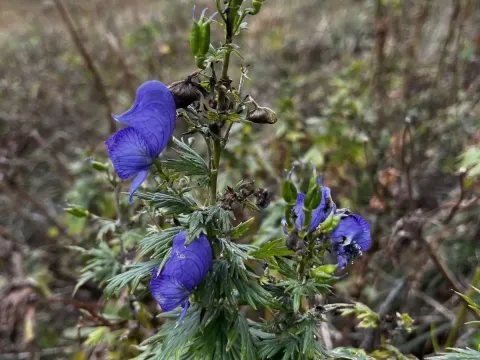
Aconitum cymbulatum
Aconitum cymbulatum
Sowing Aconitum cymbulatum seeds is typically performed in late autumn to allow for natural cold stratification during the winter. This process is essential for breaking seed dormancy and ensuring uniform germination in spring.
What the section contains
Aconitum cymbulatum
If sowing indoors, seeds should be kept in a cold environment (stratification) for two to three months before sowing in prepared soil. Covering the seeds with a thin layer of fine substrate ensures proper moisture retention.
Seedlings develop slowly during the first year, focusing primarily on establishing their root system. Providing a consistent growing medium with adequate aeration is crucial for the development of healthy young plants.
Transplanting to the final location should be done carefully to avoid damaging the delicate rootstock. Space plants at least 35–45 cm apart to accommodate future growth and prevent overcrowding in the garden bed.
Routine weeding around young plants is vital, as they are not aggressive competitors during the initial establishment phase. Mulching can help suppress weed growth while keeping the soil environment stable.
Aconitum cymbulatum thrives in partial shade conditions, mimicking its natural habitat in woodland edges or mountain meadows. Excessive direct heat should be avoided as it can scorch the foliage.
The soil should be moist, nutrient-rich, and well-draining, with a slightly acidic to neutral pH. Incorporating well-rotted compost into the planting hole improves soil structure and long-term fertility.
Consistent watering is necessary during the active growth period, especially during hot and dry spells. The soil should never be allowed to dry out completely, as this plant is sensitive to dehydration.
In terms of climate, the plant is highly hardy and excels in cooler temperate zones. It does not require winter protection and remains dormant throughout the winter season before emerging in early spring.
Balanced fertilization during the spring encourages robust foliage and strong flower spikes. Avoid high-nitrogen fertilizers later in the season to ensure the plant matures properly before dormancy.
Powdery mildew is a common fungal threat that appears as a white coating on leaves during periods of high humidity and poor airflow. Increasing spacing and improving ventilation are effective preventative measures.
Aphids and spider mites are potential pests that can weaken the plant by feeding on its sap. Regular inspections, especially on the undersides of leaves, can help in early detection and management.
Root rot is the most significant threat if the soil remains waterlogged for extended periods. Ensuring the garden bed has a proper drainage slope or gravel layer is critical for avoiding this issue.
Slugs and snails may occasionally feed on young, tender shoots during the spring. Implementing physical barriers or organic bait can help mitigate these attacks without harming the plant's health.
Given the toxic nature of the plant, accidental ingestion is a major risk for animals and humans. Always handle the plant with gloves to avoid potential skin irritation from its potent alkaloids.