
Aconitum gigas
Aconitum gigas
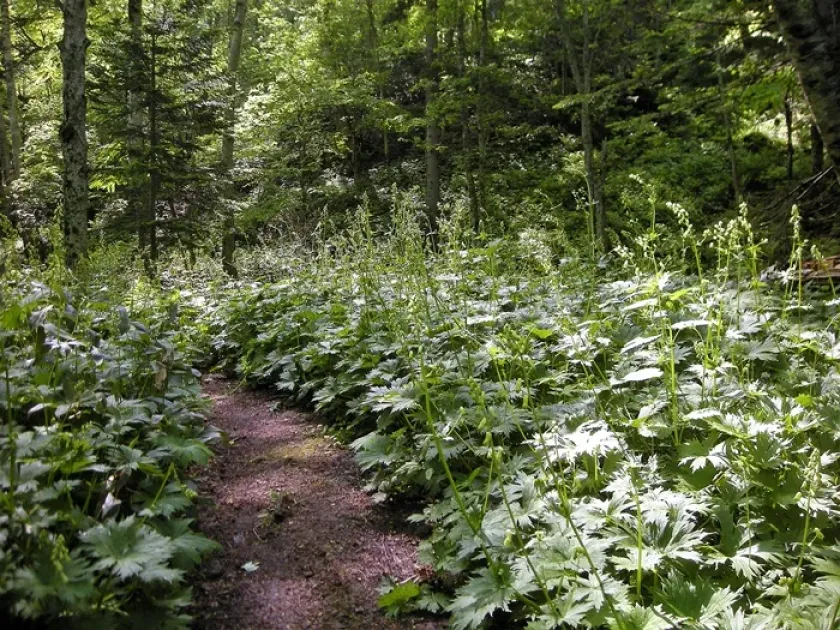
Description
Sowing dates
Sowing seeds of Aconitum gigas is best performed in late autumn, as the seeds require a prolonged period of cold stratification to break dormancy and ensure uniform germination.
When starting indoors, seeds should be sown in early spring in seed trays filled with a sterile, well-draining potting mix after undergoing artificial refrigeration for several weeks.
The seeds should be barely covered with soil, as they benefit from a small amount of light during the initial stage of germination, while excessive depth can inhibit growth.
Seedlings should be pricked out into individual pots once they develop their first set of true leaves, allowing sufficient room for the root system to strengthen before planting outdoors.
Transplanting into the permanent garden site should be done in late spring, ensuring the soil is well-prepared and the plants are spaced at least 40-50 cm apart to allow for mature spread.
Growing requirements
Aconitum gigas thrives in fertile, moisture-retentive, yet well-draining loamy soils; it is particularly sensitive to waterlogged conditions which can lead to rapid root decay.
While the plant is quite versatile, it generally prefers locations with partial shade or filtered sunlight, as intense mid-day sun can scorch its foliage and reduce overall plant vigor.
Consistent moisture is essential throughout the growing season, especially during the development of its large inflorescences, so supplemental watering is required during dry spells.
The use of mulch around the base of the plant is recommended to regulate soil temperature, retain essential moisture, and suppress weed growth that might compete for nutrients.
Fertilization with balanced organic matter, such as high-quality compost, is beneficial in the early spring to promote vigorous vegetative growth and support the development of spikes.
Main diseases and pests
Fungal pathogens such as powdery mildew are common issues, especially in environments with poor air circulation or consistently high humidity levels around the dense foliage.
Root rot, often caused by stagnant water or poorly structured soil, remains the primary threat to the longevity of the plant, often leading to sudden collapse of the crown.
Pests like aphids and spider mites can colonize the succulent parts of the plant, potentially causing stunting and yellowing if populations are not managed through timely intervention.
Leaf nematodes can also be a significant issue, causing characteristic brown lesions on the foliage and reducing the photosynthetic capability of the plant during the summer months.
It is critical to remember that all parts of the Aconitum plant contain highly toxic alkaloids, necessitating the use of gloves and protective clothing during any maintenance tasks.