
White-haired prickly pear
Opuntia leucotricha DC.
Description
Growing requirements
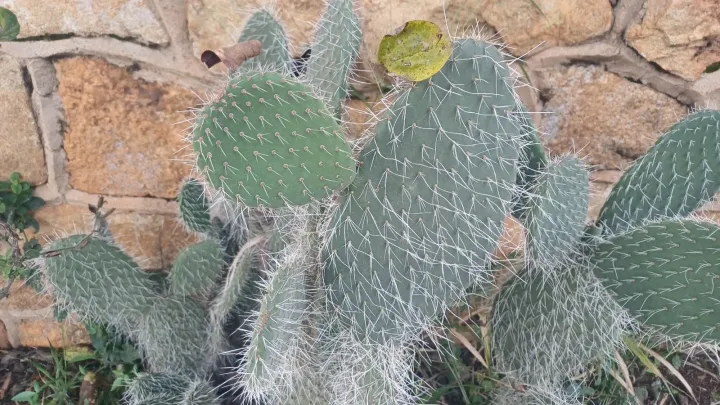
Opuntia leucotricha, commonly known as the white-haired prickly pear, is a tree-like cactus species within the Cactaceae family. It is native to central Mexico, thriving in arid, rocky landscapes at elevations between 1500 and 2500 meters.
The plant requires full sun exposure to flourish. Optimal light intensity is essential not only for biomass accumulation but also for the development of its signature white, hair-like spines which protect the epidermis from excessive heat.
Soil requirements focus on perfect drainage. Opuntia leucotricha grows best in sandy, gravelly, or well-drained loamy soils. It cannot tolerate waterlogged conditions, which trigger rapid root decay and plant collapse.
Temperature management is critical for productivity. While it displays tolerance to light frosts, prolonged freezing conditions can damage the succulent tissue. It is best suited for climates with hot, dry summers and mild winters.
Cultural practices include long intervals between watering sessions. Even during the peak growing season, the substrate must dry out completely between irrigations to mirror the plant's natural evolutionary rhythm.
Yield
The economic value of this species is significant in arid regions. It serves as a vital forage crop, particularly during drought cycles, providing a succulent source of roughage for livestock like cattle and goats.
The fruit, referred to as 'tuna', is highly nutritious and commercially cultivated for human consumption. It is used in jams, syrups, and fresh fruit markets, noted for its sweetness and unique flavor profile.
Modern research highlights the use of its cladodes (pads) in the production of mucilage-based natural products. These compounds have applications in the food, cosmetic, and water purification industries.
Sustainable harvest strategies involve selective pruning. By managing the number of pads harvested per cycle, growers ensure the plant remains vigorous and continues to produce new growth year after year.
Yield capacity is enhanced by minimal but effective fertilization. Potassium-based inputs are preferred to improve the internal structure of the pads, increasing their resistance to environmental stressors and pests.
Main diseases and pests
Common pests affecting Opuntia leucotricha include mealybugs and scale insects. These organisms thrive in sheltered areas between the spines, where they sap nutrients from the succulent, leading to chlorosis and stunted growth.
Root and crown rot represent the most serious pathological threat to large-scale plantings. These conditions are almost always linked to over-irrigation or inadequate drainage systems within the planting rows.
Integrated Pest Management (IPM) is recommended for commercial farms. This involves monitoring for early signs of infestation and using biological control agents to manage populations of scale insects effectively.
Viral infections can occasionally manifest as mosaic patterns or distorted growth on new pads. There is no chemical cure for these viruses, so rogueing (removing and destroying) infected plants is necessary to prevent spread.
During the humid season, growers should maintain adequate spacing between plants to ensure good airflow. Air circulation is a key factor in reducing the humidity levels that favor fungal development around the base of the plant.