
Opuntia hyptiacantha
Opuntia hyptiacantha F. A. C. Weber
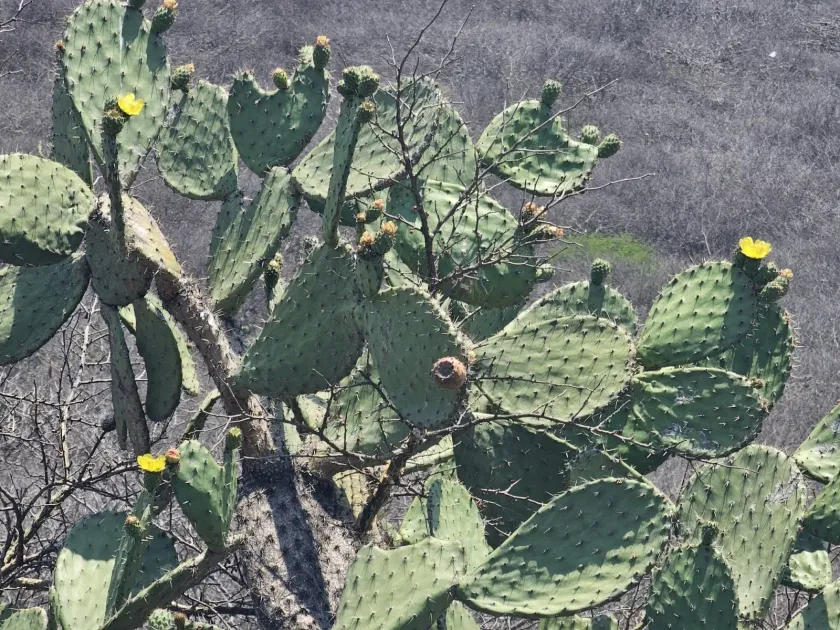
Description
Sowing dates
Opuntia hyptiacantha is primarily propagated through vegetative means, using cladodes or segments. This method ensures the new plants retain the desirable genetic traits of the parent plant, facilitating consistency in yield and quality for farmers.
The ideal time for planting is during the active growth phase when temperatures are warm. Freshly cut segments must be left to callous in a dry, shaded area for several days to prevent rot when placed in the soil.
While seed propagation is possible, it is rarely used in large-scale agriculture due to the slow growth rate of seedlings compared to established cuttings. If seeds are used, they require well-draining soil and consistent warmth.
Spacing is critical for long-term plantation health. Providing enough distance between plants ensures proper airflow, which significantly reduces the risk of fungal infections caused by trapped moisture around the base.
Deep planting is unnecessary; the segment should be buried just deep enough to stand upright and remain stable. Establishing a strong root system is the first priority during the initial planting season.
Growing requirements
As a member of the Cactaceae family, Opuntia hyptiacantha is a xerophyte native to arid and semi-arid regions of Mexico. Its morphological structure, characterized by thick succulent pads, is highly adapted for water storage.
The plant thrives in well-draining, sandy, or rocky soils with a neutral pH. Proper soil drainage is the most important factor in site selection, as waterlogging is the primary cause of plant death in commercial cacti cultivation.
This crop requires full sun exposure to maintain optimal photosynthetic activity. It is highly heat-tolerant but susceptible to severe frost, which limits its outdoor cultivation to temperate or tropical climatic zones.
Water requirements are minimal. While established plants can survive long periods of drought, supplemental irrigation during the peak growing season can significantly boost the size and quality of the fruit crop.
Fertilizer application should be cautious. Over-fertilization, especially with nitrogen, results in soft, watery tissues that are more prone to pests and mechanical damage during handling.
Yield
Opuntia hyptiacantha serves a dual purpose in agricultural systems: as a fruit crop and as a sustainable source of succulent fodder for livestock in dry regions. The pads provide essential moisture and nutrients to animals when forage is scarce.
The fruits are highly valued for their nutritional profile, being rich in vitamins, minerals, and antioxidants. They are processed into juices, jams, and concentrates for both local and international markets.
Consistent yields depend on regular pruning, which promotes the growth of new, vigorous segments and maintains the overall productivity of the plantation over its decades-long lifespan.
Mechanical harvesting and processing have become more common, with specialized machinery used to remove glochids—the tiny, irritating spines—from the fruit surface to make them safe for commercial distribution.
The economic viability of this crop is further enhanced by its ability to grow on marginal lands where traditional food crops often fail due to water shortages or poor soil quality.
Main diseases and pests
The most significant threats to Opuntia hyptiacantha are fungal pathogens, specifically those causing root and stem rot. These are almost always exacerbated by poor site drainage or overly high humidity.
Common insect pests include the mealybug and scale insects, which feed on the sap of the pads. In severe cases, these pests can stunt plant growth and create entry points for secondary bacterial infections.
Lepidopteran larvae, such as those of the cactus moth, can tunnel into the segments. Constant monitoring and early detection are essential to prevent widespread damage within a plantation.
Sanitation practices, including the immediate removal and destruction of infected parts, are the most effective non-chemical ways to manage threats and stop the spread of disease.
Integrated pest management, favoring natural predators and minimal chemical intervention, is recommended to preserve the organic status and safety of the fruit for human consumption.
Harvesting
Harvesting should be performed only when the fruit reaches full physiological maturity, indicated by the specific color development and softening of the fruit skin. Unripe fruits lack the necessary sugar content for market.
Protective clothing, including thick gloves and long sleeves, is mandatory due to the presence of glochids. Specialized tools or hooks are often used to twist the fruit off the pad without damaging the main plant structure.
Post-harvest cleaning involves removing glochids through brush-rollers or gentle air-pressure sprays. This step is vital to ensure the product is commercially viable and user-friendly for the final consumer.
Proper storage involves well-ventilated containers that prevent moisture buildup. The fruit is highly perishable and benefits from cold chain logistics to extend shelf life during transport to distant markets.
By scheduling harvests strategically, farmers can maximize the seasonal output of the plantation, ensuring a steady supply of high-quality cactus fruit throughout the ripening window.