
Opuntia robusta
Opuntia robusta H. L. Wendl. ex Pfeiff.
Description
Sowing dates
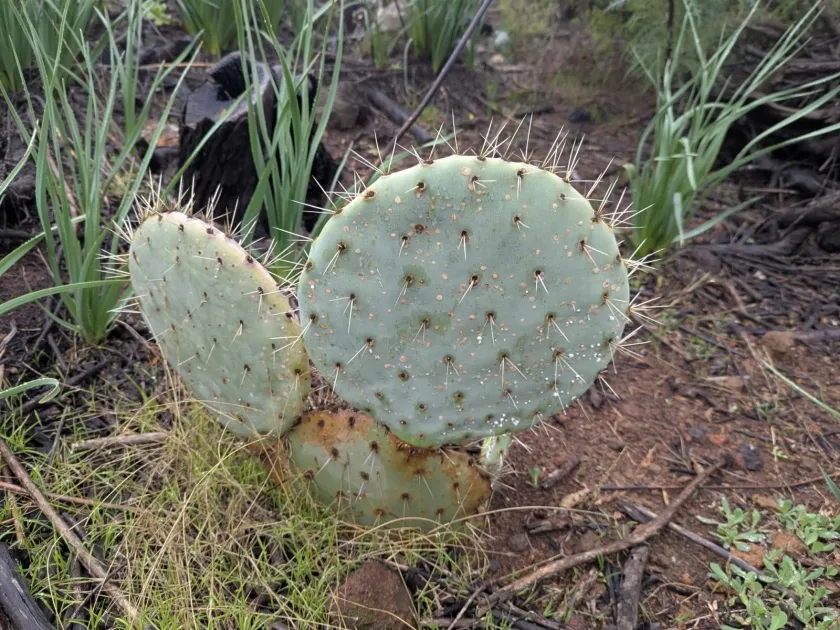
Opuntia robusta, commonly known as the Wheel Cactus, is a large succulent species belonging to the Cactaceae family, native to the arid highlands of Mexico.
Agricultural propagation is primarily achieved through vegetative cuttings, using mature, healthy cladodes that are allowed to callous for several days before planting.
Planting is ideally carried out during the warm season, which promotes rapid root initiation and acclimatization of the young segments to the field environment.
Spacing between plants must be sufficient to allow for efficient field management and to prevent the spread of soil-borne pathogens between individuals.
While seed propagation is possible, it is rarely used in commercial operations due to the slow growth rate and high variability of seedlings compared to clonal cuttings.
Growing requirements
This crop requires full sun exposure and is highly adapted to semi-arid climates, thriving in intense solar radiation that supports its specific metabolic processes.
Well-drained, porous soils with minimal organic matter are essential to prevent root rot, as the plant is highly sensitive to waterlogged conditions.
Opuntia robusta shows excellent resilience to prolonged drought, making it an ideal choice for sustainable agriculture in water-scarce regions.
The plant can tolerate light frosts, but prolonged freezing temperatures coupled with high humidity can cause significant tissue damage.
Minimal fertilization is required, as the plant is evolved to extract nutrients from poor, rocky substrates where other crops fail to establish.
Yield
The primary yield components include the succulent, sweet fruits which are highly valued for their nutritional profile and high antioxidant content.
Young, tender cladodes, known as nopales, are harvested as a vegetable, serving as a staple food in many traditional culinary systems.
The plant serves as a vital source of supplemental fodder for livestock in arid zones, providing necessary hydration and energy during dry spells.
Commercial potential also extends to the production of natural pigments, essential oils from seeds, and various biopolymers used in the cosmetic industry.
Consistent yield levels are maintained through systematic pruning and strategic management of plant density within the plantation plot.
Main diseases and pests
Root rot and fungal infections such as Fusarium represent the most significant threats to the crop, especially in areas with poor drainage.
Insects like mealybugs and various cactus-specific scales can infest the segments, leading to vigor loss and reduced marketability of the fruits.
The spread of pathogens is often exacerbated by mechanical injuries during harvest if the tools are not properly sanitized between plants.
Effective management includes regular monitoring, quick removal of infected segments, and the judicious use of pest control measures.
Preventative cultural practices, such as maintaining optimal plant spacing, are crucial for ensuring good airflow and reducing the humidity around the plants.
Harvesting
Harvesting fruits requires significant care due to the presence of glochids, which are tiny, barbed bristles that easily embed in human skin.
Fruits should be harvested only when fully ripe, indicated by their color change, to ensure maximum sugar content and shelf life.
Post-harvest processing involves the mechanical removal of spines and glochids, often through brushing, to make the produce safe for market distribution.
When harvesting nopales for fresh consumption, tender segments are selected and carefully cut from the main plant to encourage regrowing.
Cold chain logistics are often unnecessary for fruits with thick skins, allowing for flexible transport times provided the storage area is dry and ventilated.