
Opuntia lasyacantha
Opuntia lasyacantha Pfeiffer
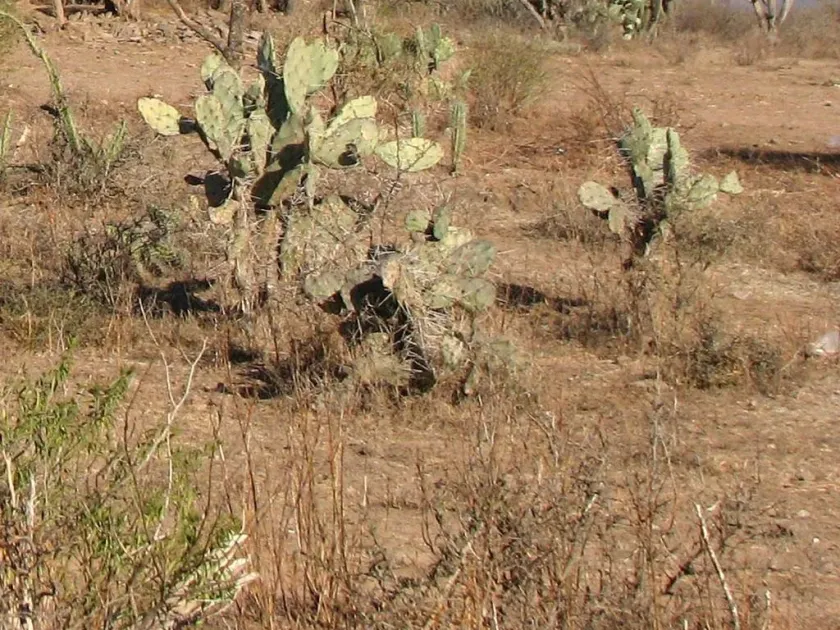
Description
Sowing dates
Opuntia lasyacantha belongs to the Cactaceae family. In agricultural settings, the primary propagation method for this crop is vegetative, specifically by rooting individual stem segments, known as cladodes. This ensures the rapid establishment of new plants and maintains genetic uniformity.
Planting is best performed at the beginning of the active growing season when the soil has warmed sufficiently. Proper spacing between plants is crucial to ensure optimal airflow, which significantly reduces the risk of humidity-related fungal issues.
Seed propagation is rarely used for commercial production and is generally reserved for breeding programs. Seeds require specific stratification to overcome dormancy and ensure high germination rates across the plantation.
Choosing an appropriate site is essential for success. Opuntia lasyacantha requires full sun exposure and well-drained, porous soil. Avoiding sites with potential for water pooling is a critical success factor for any new planting operation.
Once established, the crop is highly resilient, but initial care during the first year is vital to build a strong root system. Irrigation management during this period should focus on depth rather than frequency to encourage deep rooting.
Growing requirements
This species is native to arid zones and possesses exceptional drought tolerance. It thrives in environments with high temperatures and low rainfall, making it an excellent candidate for agricultural diversification in dryland regions.
The crop prefers well-drained soils, ideally with a neutral to alkaline pH level. It is highly sensitive to waterlogging; therefore, soil aeration and drainage are the most critical physical factors for sustaining a healthy plantation.
High light intensity is required for optimal physiological performance. Insufficient light leads to weak, spindly growth and a lower concentration of nutrients in the cladodes, which impacts the overall commercial quality of the crop.
Temperature management is generally focused on protecting the plants from prolonged frosts. While they can survive minor temperature drops, long-term exposure to extreme cold can cause tissue damage and metabolic disruption.
While adapted to poor soils, supplemental fertilization with microelements can significantly boost biomass production. Soil analysis should be performed to ensure a balanced supply of essential nutrients for maximum yield efficiency.
Yield
The economic value of Opuntia lasyacantha lies in both its biomass, used as high-quality forage for livestock, and its edible fruits. Yield capacity depends on the age of the plants, planting density, and intensity of management.
Under intensive cultivation, the crop can provide multiple harvests of biomass within a single year. Proper pruning techniques are essential to maintain plant vigor and encourage the development of new, high-quality cladodes.
Fruit harvesting is performed at the peak of maturity, determined by the uniform color development of the fruit skin. This ensures maximum sugar content and shelf life, which are critical for marketing the fresh produce.
The integration of fruit production and forage harvesting creates a diversified income stream for farmers. This dual-use approach is particularly advantageous in semi-arid regions where conventional crops often struggle to thrive.
Regular monitoring of plant health and effective weed control in the aisles are necessary to sustain high yields over the long term, preventing competitive pressure from reducing the overall biomass output.
Main diseases and pests
Fungal infections and root rot remain the most significant threats to Opuntia lasyacantha, particularly in regions where humidity levels remain high for extended periods. These infections manifest as soft, discolored spots on the cladodes.
Pests such as mealybugs and spider mites pose a constant threat by draining sap and weakening the plant. Their presence can create entry points for secondary infections, leading to rapid deterioration of the affected segments.
Integrated pest management (IPM) is the recommended approach, involving regular inspections and the judicious use of systemic insecticides when necessary. Maintaining the cleanliness of pruning tools is also vital to prevent pathogen spread.
Proactive prevention focuses on maintaining proper soil drainage and ensuring adequate spacing between plants to prevent the formation of microclimates favorable to fungi. Quick removal of any diseased plant tissue is essential.
By prioritizing cultural practices like controlled irrigation and site selection, growers can minimize reliance on chemical interventions, thereby producing a healthier crop that meets modern safety and sustainability standards.