
Opuntia ficus-indica
Opuntia ficus-indica (L.) Mill.
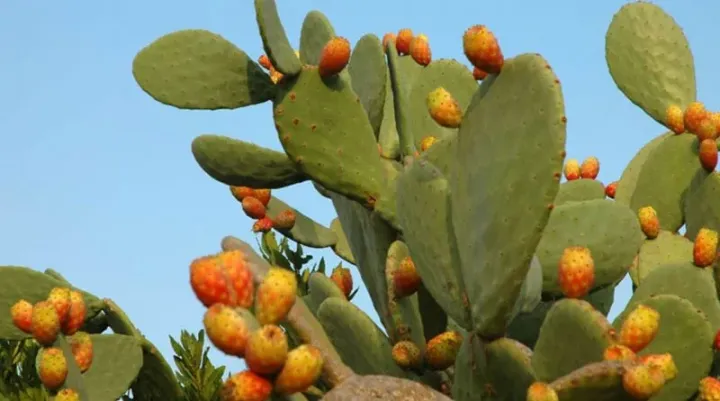
Description
Sowing dates
Opuntia ficus-indica, commonly known as the prickly pear, belongs to the Cactaceae family and is a robust succulent. In commercial settings, it is primarily propagated vegetatively using single cladodes (stems) or pad cuttings.
The optimal time for planting these cuttings is during the active growth season, ensuring soil temperatures reach approximately 18–20 degrees Celsius, which encourages rapid root development.
While seed propagation is possible, it is typically reserved for breeding programs and genetic research rather than large-scale agricultural production due to the time required for germination.
Selection of the planting site is crucial; the plant requires full sun exposure to thrive, as light intensity directly correlates with fruit sugar content and overall plant vigor.
Proper soil preparation is essential, focusing on well-draining structures to prevent waterlogging, which is a major risk factor for root decay in this species.
Growing requirements
This crop is a quintessential xerophyte, perfectly adapted to arid and semi-arid environments where high heat and intense solar radiation are common occurrences.
The plant performs best in sandy or rocky soils with neutral to slightly alkaline pH levels, which facilitate the necessary aeration and gas exchange for its succulent root system.
Although highly drought-tolerant, supplemental irrigation during the fruit-set and fruit-development phases is necessary to ensure commercially viable fruit yields.
Nutritional management includes the application of potassium and phosphorus fertilizers, which assist in strengthening plant cell walls and improving fruit quality and shelf life.
Regular pruning is a standard agronomic practice, intended to shape the canopy, promote better airflow, and ensure ease of access for workers during the harvest season.
Yield
Yield capacity of Opuntia ficus-indica can range from 10 to 30 metric tons per hectare, depending on orchard age, planting density, and the level of management intensity applied.
The plant is highly valued for its edible fruits, which are a rich source of vitamins, antioxidants, and minerals, meeting the rising demand for functional and healthy foods.
In many regions, the cladodes are utilized as high-quality forage for livestock, offering a sustainable feed solution during periods of extreme drought and pasture scarcity.
Industrial applications include the extraction of natural pigments (betalains), dietary fiber, and thickeners, as well as the production of unique cosmetics from seed oil.
The plant's ability to remain productive under extreme environmental stress makes it a critical crop for food security in marginalized agricultural lands.
Main diseases and pests
Fungal infections, such as those causing black spot or rot, are the most significant threats, especially in environments where humidity levels are poorly managed.
Insects like mealybugs and scale insects are common pests that colonize the pads, extracting sap and causing significant stress and decreased productivity if not controlled.
The cactus moth (Cactoblastis cactorum) poses a severe threat in some areas, with its larvae tunneling into the succulent tissues and causing widespread plant collapse.
Pest management relies on integrated pest control strategies, including regular monitoring and the judicious use of systemic insecticides during early development stages.
Disease prevention is maintained through sanitation practices, such as removing infected material and ensuring optimal spacing to prevent the buildup of stagnant air.
Harvesting
Harvesting Opuntia fruit is a delicate task due to the presence of glochids, which are tiny, barbed hairs that can cause severe irritation if they penetrate the skin.
Operators must wear specialized protective clothing and use professional harvest tools to carefully remove the fruit from the pads without causing physical damage.
Harvest timing is dictated by visual indicators, such as the transition of the skin color to the cultivar-specific bright red, yellow, or purple hue, and a slight softening to the touch.
Post-harvest processing involves "de-glochiding," a mechanical cleaning process using brushes or flame treatment to remove the dangerous barbed hairs before the fruit reaches the market.
Properly handled fruit is sorted by size and maturity, then stored in ventilated, cool environments to maintain freshness and minimize post-harvest losses during distribution.