
Opuntia amyclaea
Opuntia amyclaea
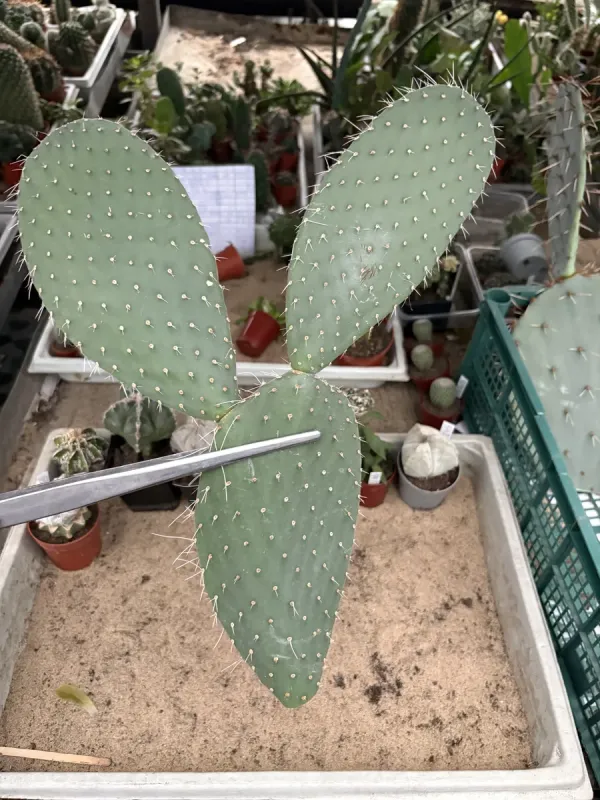
Description
Sowing dates
Opuntia amyclaea is a member of the Cactaceae family. In agricultural practices, it is typically propagated vegetatively using stem cuttings known as cladodes. This method ensures that the new plants retain the desirable traits of the mother plant and reach maturity faster than those grown from seeds.
Cuttings should be harvested and allowed to callous in a dry, shaded area for several days before planting. This step is critical to prevent rot upon contact with soil moisture. Planting is ideally timed for the beginning of the growing season when the risk of frost is minimal.
The chosen site must offer excellent sun exposure, as this species is highly photophilous. While the plant can survive in various soil types, well-draining sandy or rocky soils are ideal for preventing root rot and promoting healthy root development.
For commercial-scale cultivation, planting on raised beds is highly recommended. This structural layout significantly improves water drainage and ensures that the base of the plant remains dry, which is vital for the plant's long-term health.
Spacing between rows and individual plants should be sufficient—usually 2 to 3 meters—to allow for the movement of agricultural machinery and to ensure adequate sunlight and airflow for every part of the plant structure.
Growing requirements
As a xerophytic plant, Opuntia amyclaea is exceptionally adapted to arid and semi-arid environments. It thrives in high temperatures and can endure prolonged drought, making it an excellent crop for regions where water resources are scarce.
The soil pH should ideally be neutral or slightly alkaline. While the cactus is not overly demanding regarding fertility, periodic application of organic matter or balanced fertilizers can significantly enhance the size and quality of the fruit yield.
Water management is the most critical aspect of the plant's requirements. Excessive irrigation, especially during the dormant season, is dangerous and can quickly lead to fungal infections. Irrigation should be minimized and focused on the active growth phase.
Light is the engine of the plant's metabolism. Lack of full sun exposure results in "leggy" growth, reduced fruit production, and overall weakening of the cactus tissues. A site with a southern or southwestern exposure is generally optimal.
General maintenance includes periodic pruning to remove damaged or diseased cladodes. This practice promotes better airflow within the canopy and directs energy toward fruit production rather than excessive vegetative growth.
Yield
The primary economic value of Opuntia amyclaea lies in its fruit production. The fruits are rich in vitamins, antioxidants, and dietary fiber, making them an increasingly popular "superfood" in international markets.
Beyond fresh consumption, the fruits are processed into various products, including juices, syrups, jams, and natural pigments. These value-added products allow farmers to maximize their profitability from each harvest cycle.
In many regions, the vegetative pads (cladodes) are harvested as fodder for livestock during periods of forage scarcity. This dual-use capability makes the plant an extremely valuable asset in sustainable agricultural systems.
Yield consistency is achieved through professional orchard management. Mature plantations can provide sustainable production for many years, provided that pests are controlled and the soil nutrient levels are monitored.
Ongoing agricultural research focuses on developing spineless varieties, which greatly reduce labor costs associated with fruit harvesting and handling, thereby increasing the overall efficiency of the production process.
Main diseases and pests
Scale insects and mealybugs are the most persistent pests affecting Opuntia amyclaea. These insects feed on the plant's sap, weakening it and potentially causing stunted growth if infestations are not controlled promptly.
Fungal diseases, such as bacterial soft rot and various leaf spots, are major threats in humid conditions. Prevention is key; maintaining dry soil and high airflow around the plants is the best defense against these pathogens.
Root rot is often a symptom of poor site selection or over-irrigation. Once the root system is compromised, recovery is difficult, so strictly adhering to drainage requirements is essential for plantation survival.
Certain larvae species can cause significant damage to young shoots and fruit buds. Integrated pest management, which includes the use of biological control agents, is preferred over the widespread application of chemical pesticides.
Sanitation is a vital part of the threat management strategy. Removing and destroying infected plant material promptly prevents the spread of diseases and pests throughout the entire plantation.
Harvesting
Harvesting is a delicate process due to the presence of glochids (tiny, hair-like spines). Workers must wear thick protective gloves and often use specialized tongs or harvest hooks to prevent skin irritation and injury.
Fruits are harvested when they reach their characteristic vibrant color and the desired level of softness. Because ripening is often staggered, the harvest season usually lasts for several weeks, requiring multiple passes through the orchard.
Post-harvest processing involves "de-thorning" the fruits. This is typically done mechanically using high-pressure air or water brushes to safely remove the glochids without damaging the fruit's delicate skin.
Proper sorting and grading are essential for market-ready products. Fruits are sorted by size and visual quality before being packed into ventilated containers that prevent moisture buildup during transit.
Storage is feasible for several weeks if the fruit is kept in a cool, dry place. Due to their high sugar content, proper temperature management is necessary to maintain quality and prevent fermentation during storage.