
Opuntia streptacantha
Opuntia streptacantha Lem.
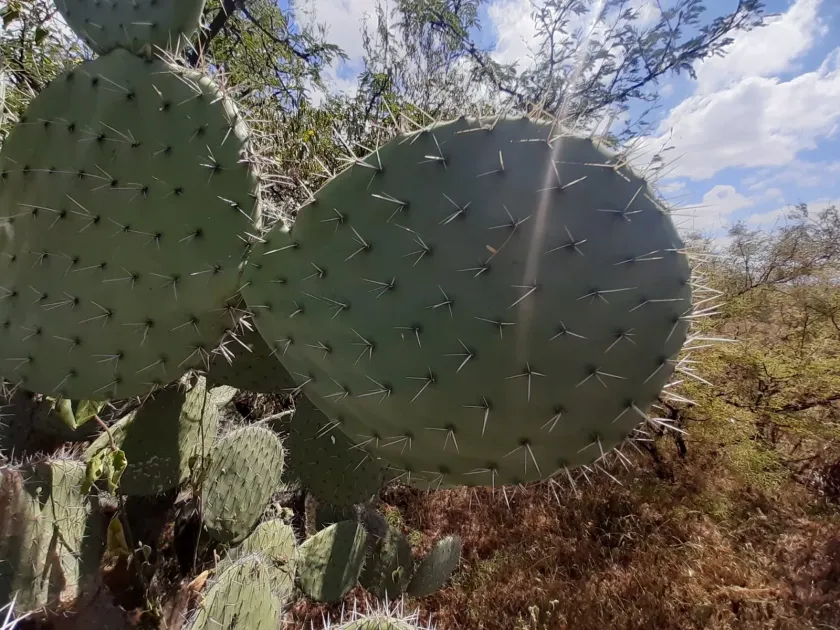
Description
Growing requirements
Opuntia streptacantha is a prominent species within the Cactaceae family, widely recognized for its agricultural value. It is native to the arid regions of Mexico, where it has been cultivated for centuries as both a food source and animal fodder.
As a xerophyte, this plant is exceptionally well-adapted to environments with scarce water resources. It thrives in regions with intense sunlight and requires well-draining soils, specifically sandy or loamy textures, to prevent root rot.
Climate is a primary factor in its success; while it can tolerate some fluctuations, it remains sensitive to severe frost. Optimal growth is observed in regions characterized by warm, dry growing seasons.
The root system is extensive and requires adequate space to spread. Soil structure should be loose and aerated, as stagnant water in the soil is the most common cause of plantation failure.
Proper field management includes optimal plant spacing, which ensures that all parts of the cactus receive sufficient sunlight and allows for proper air circulation to prevent fungal growth.
Yield
This crop is highly versatile, providing edible fruits known as "tunas" and nutritious cladodes known as "nopales". Both serve as significant economic drivers in semi-arid agricultural systems.
Yield capacity improves with the maturity of the plants. Strategic pruning is essential to stimulate the production of new pads, which in turn leads to higher fruit production in subsequent cycles.
Under intensive management systems, yields can be substantial, with mature plantations producing between 15 and 25 tons of fruit per hectare depending on density and irrigation availability.
Beyond human consumption, the green biomass is a vital survival feed for livestock during extreme drought periods, providing essential hydration and nutrients when other grazing resources are absent.
Harvesting frequency depends on the intended end-use of the plant parts, with fruit harvests typically occurring during the peak maturation months of the growing season.
Main diseases and pests
The cochineal scale insect is perhaps the most significant pest for Opuntia plantations. These insects feed on the plant's sap and can cause severe damage if left unmanaged, reducing plant vigor.
Fungal infections, such as those caused by Fusarium species, are common threats, especially if the plants are subjected to excessive humidity or poor soil drainage.
Various larvae and moth species can bore into the cladodes, leading to internal rotting and structural weakness. Regular monitoring for exit holes or discolored patches is essential for early intervention.
Integrated pest management, including the use of beneficial insects and resistant cultivars, is recommended to maintain the long-term health of the plantation without heavy reliance on synthetic chemicals.
Sanitation practices, such as the removal of dead or heavily infested pads, are critical to preventing the spread of diseases within the crop rows.
Harvesting
Harvesting Opuntia streptacantha requires specialized safety gear, including thick gloves and protective tools, to handle the spines and the microscopic, easily detachable glochids found on the fruit skin.
Fruits are harvested when they reach full maturity, indicated by a deep, vibrant color change. They are carefully twisted from the parent cladode to ensure minimal damage to the plant tissue.
Post-harvest processing often involves brushing or flame treatment to remove the fine spines, making the fruits safe for market consumption and preventing injury to the final consumer.
When harvesting nopales, young and tender pads are selected. These are cut with sharp, disinfected knives to ensure clean wounds that heal quickly, preventing secondary infections.
Storage should be conducted in dry, cool, and well-ventilated areas. This extends the shelf life of the fruit, allowing farmers to manage market supply more effectively and reduce post-harvest losses.