
Durango prickly pear
Opuntia duranguensis Britton et Rose
Description
Sowing dates
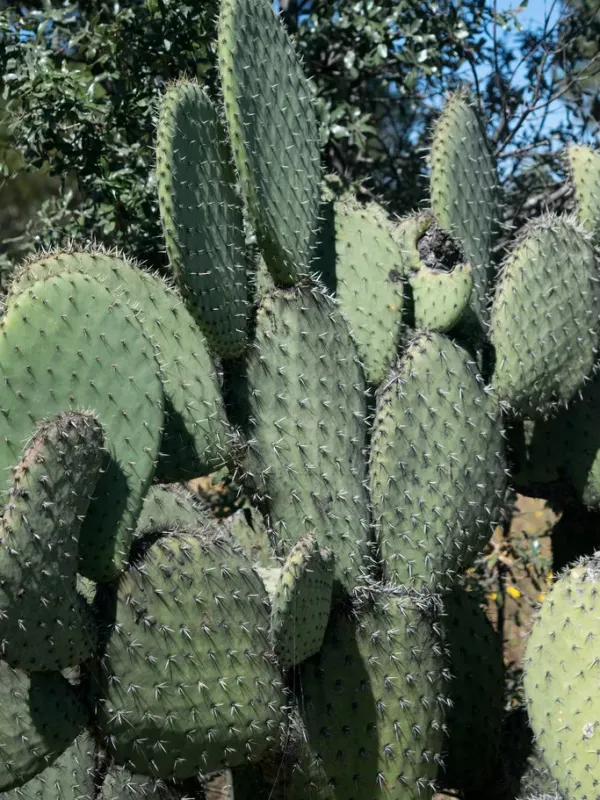
The Durango prickly pear (Opuntia duranguensis) is a perennial succulent species belonging to the Cactaceae family, primarily native to Mexico.
Propagation is effectively performed through cuttings, where individual stem pads are detached and allowed to air-dry for several days to callus.
When starting a new plantation, cuttings should be placed in well-draining soil during the spring to facilitate root development before the heat peaks.
For seed-based cultivation, use a sandy, porous substrate and keep the environment consistently warm, ensuring enough light for germinating seedlings.
Adequate spacing between plants is crucial, generally requiring 1.5 meters to ensure sufficient air circulation and ease of harvest maintenance.
Growing requirements
This plant thrives in arid to semi-arid climates, requiring maximum exposure to direct sunlight for optimal growth and fruit development.
Soil requirements focus on excellent drainage; waterlogged soil is fatal to this species and must be avoided by selecting slopes or amending the soil.
Temperature tolerance is high, but the plant requires protection from extreme frost, which can damage the fleshy stem pads and internal vascular systems.
Fertilization should be handled with care, focusing on potassium-rich feeds during the growing season to boost both pad growth and flower production.
Regular monitoring of irrigation is essential, as the plant stores water in its tissues and can easily suffer from root rot if watered too frequently.
Yield
The economic value of Opuntia duranguensis lies in its dual-purpose use: producing edible, nutrient-dense fruits and stems for animal forage.
Fruit yield is dependent on proper plant maturity and maintenance; well-tended plantations can offer high productivity for many years.
Young pads are harvested as nopales, providing a sustainable vegetable crop that is popular in traditional and modern culinary applications.
Total yields are boosted by pruning old or damaged pads, which encourages the plant to allocate energy towards new, healthy growth cycles.
Consistent harvests require careful management of soil nutrient levels and the mitigation of environmental stressors throughout the growing season.
Main diseases and pests
Common pests include mealybugs and scale insects, which settle in the crevices of the pads and can significantly weaken the overall plant vitality.
Fungal issues, such as black rot, are frequently caused by excessive humidity or poor soil drainage, leading to soft tissue degradation.
Root systems are susceptible to nematode infestations, particularly in sandy soils that are not treated for previous pathogenic exposure.
- Cochineal scale infestation
- Fungal spot diseases
- Root decay
Pest management should prioritize biological controls and mechanical removal before escalating to the use of chemical pesticides on the crops.
Harvesting
Harvesting fruits requires caution due to the presence of glochids, the tiny, barbed hairs that can cause significant skin irritation upon contact.
The harvest period is typically determined by the visual change in fruit color, which signals the accumulation of sugars and maturation of the pulp.
Post-harvest processing involves removing glochids from the fruit surface using flame treatments or mechanical brushing for safe handling and marketability.
Edible pads should be harvested when they are young and tender, as older pads become too fibrous and difficult to process for consumer usage.
Proper storage in dry, well-ventilated conditions is vital to prevent post-harvest spoilage and maintain the shelf life of the harvested succulent products.