
Late elm
Ulmus serotina
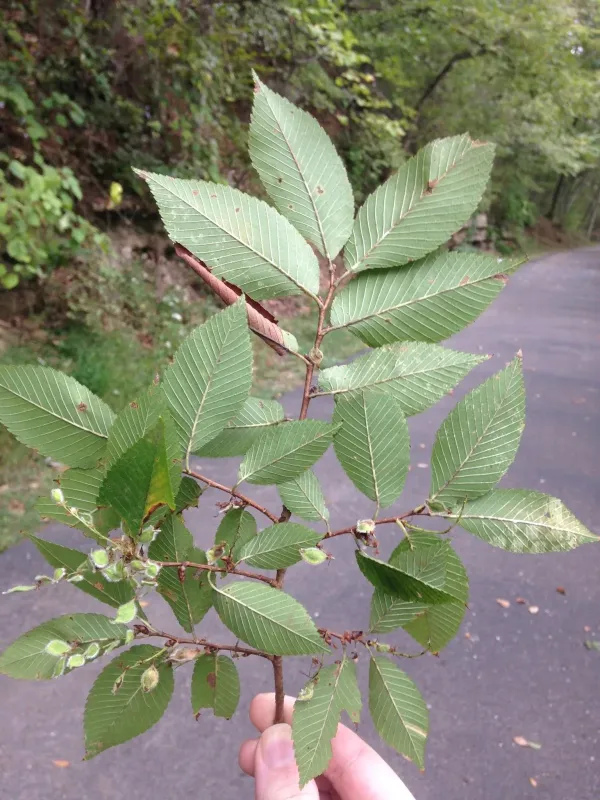
Description
Sowing dates
The Late Elm is a woody species that is typically propagated through seeds or vegetative cuttings in nurseries. Due to the short viability of the seeds, they should be sown as soon as possible after harvesting.
The preferred time for sowing is autumn, allowing the seeds to undergo natural stratification in the soil. This cycle helps ensure uniform germination and strong seedling growth in the following spring season.
For high-quality plant production, a loose, fertile substrate is essential. Seeds should be planted at a depth of about 1 to 2 centimeters and covered with a light layer of mulch to maintain constant moisture.
Transplanting seedlings to their permanent location or to a secondary nursery should take place in early spring, before the onset of active sap flow. Proper timing is critical for establishing a robust root system.
Adequate spacing is vital for the health of mature trees; it is recommended to plant them at intervals of 5 to 8 meters to allow sufficient crown development and proper airflow between specimens.
Growing requirements
The Late Elm belongs to the Ulmaceae family and is naturally found in limestone outcrops, rocky riverbanks, and floodplains. It is known for its remarkable adaptability to various soil profiles.
The species requires a moderate climate with consistent moisture levels during the growing season. While it is somewhat drought-tolerant, optimal growth is achieved in areas with deep, well-drained soils.
It prefers soils with a neutral to slightly alkaline pH. It is crucial to ensure that the site does not have standing water, as poor drainage is the primary cause of root-related failures in this species.
This tree is light-demanding and requires a sunny location to develop a dense and healthy crown. While young trees can handle partial shade, mature specimens thrive in full sun conditions.
Standard agronomic practices include the regular application of organic fertilizers and keeping the root zone free of weeds. Mulching is highly recommended to protect the root zone and stabilize soil temperatures.
Main diseases and pests
The most significant threat to the Late Elm, as with other members of the genus, is Dutch Elm Disease (DED). This fungal infection, spread by bark beetles, remains the primary concern for arborists.
Leaf-feeding insects, such as beetles and caterpillars, can cause significant aesthetic damage during the summer months. Monitoring is essential to detect early infestations and prevent mass defoliation.
Stem-boring insects often target trees that are stressed or improperly maintained. Good tree health is the best defense; thus, proper watering and feeding remain the foundation of effective pest control.
Root rot caused by various pathogens may develop in areas with poor drainage or compacted soil. Ensuring proper air and water circulation within the soil profile can significantly mitigate these risks.
Integrated pest management (IPM) should be employed, focusing on sanitation, such as removing infected branches and monitoring the overall vigor of the tree population to ensure long-term sustainability.