
Planera
Planera
Planera (Planera J.F.Gmel.) is a monotypic genus of deciduous trees belonging to the Ulmaceae family. The sole species, Planera aquatica, is commonly known as the water elm due to its preference for aquatic and riparian environments.
What the section contains

Planera
Native to the southeastern United States, this tree is primarily found in river basins, swamps, and wetlands. Its natural range is limited to regions where high humidity and seasonal flooding are common, defining its evolutionary niche.
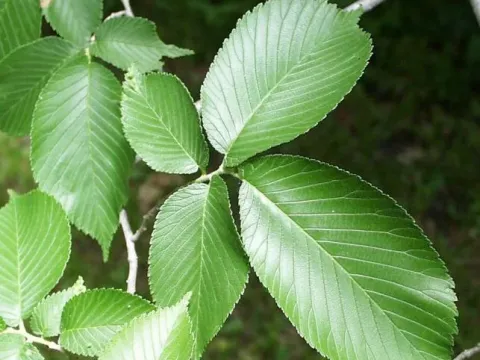
Botanically, the tree features simple, alternate leaves and small, inconspicuous flowers that bloom in early spring. The fruit is a drupe-like structure covered with soft, fleshy outgrowths, distinguishing it from the winged samaras found in true elms.
Regarding cultivation, Planera requires moist, fertile, and nutrient-rich soil. It is best suited for planting near water bodies, as it thrives in conditions that would cause root rot in most other tree species. It performs best in temperate to subtropical climates.
In landscape management, it is valued for its unique texture and adaptability to wet sites. Proper maintenance involves regular irrigation during dry spells and ensuring the soil remains cool and damp to mimic the tree's natural swampy habitat.
The primary threats to Planera include fungal infections that target the bark and vascular system, especially in areas with poor airflow and excessive moisture stagnation. While robust, it can be susceptible to diseases that affect other Ulmaceae members.
Pest issues frequently involve defoliating insects such as beetles and caterpillars, which can compromise the tree's photosynthetic capacity. Scale insects may also cluster on stems, weakening the plant's vigor during the peak growing season.
Preventive care involves applying systemic insecticides during the early stages of the growing season if signs of pest infestation appear. It is crucial to monitor the tree for any discoloration of leaves, which often serves as the first indicator of biotic stress.
Sanitary pruning is a fundamental practice to remove dead or diseased branches, preventing the spread of pathogens throughout the canopy. Maintaining optimal soil pH is also essential to ensure the plant absorbs all necessary nutrients for natural defense.
In managed landscapes, ensuring adequate spacing between trees reduces the likelihood of rapid disease transmission. Monitoring the plant's health periodically allows for early detection and intervention before minor infestations become catastrophic for the specimen.