
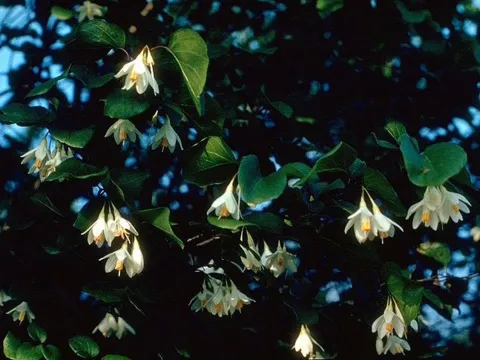
Styrax
Styrax L.
Propagation of the Styrax genus is typically achieved through seeds or semi-hardwood cuttings. Seeds exhibit deep dormancy, requiring a stratification period in cool, moist conditions for several months to break physiological barriers to germination.
What the section contains


Styrax
For nursery cultivation, seeds are sown in autumn to allow for natural chilling during the winter. This mimics natural environmental cycles and ensures a higher germination rate when temperatures rise in the spring.
Cutting propagation involves selecting healthy, semi-mature shoots. These cuttings are treated with rooting hormones and maintained in a greenhouse environment with high humidity and bottom heat to facilitate successful root initiation.
Transplanting seedlings to their permanent location is best performed in early spring. It is crucial to minimize root disturbance during this process to ensure the plants can establish themselves effectively before the heat of summer.
Planting density should be carefully calculated based on the specific species' mature size. Spacing trees at 3 to 5 meters apart is standard to ensure adequate air circulation and sunlight penetration for proper canopy development.
Styrax is a genus of deciduous and evergreen trees and shrubs belonging to the Styracaceae family. With approximately 130 species, they are primarily native to subtropical and temperate regions across Asia, Europe, and the Americas.
These plants thrive in fertile, well-draining soils with a slightly acidic to neutral pH. A loose, organic-rich soil texture is preferred; soil compaction or poor drainage must be avoided to prevent root rot.
Styrax species are generally light-demanding but benefit from partial shade in their early developmental stages. Selecting a site that provides protection from harsh, drying winds is essential for maintaining plant vigor.
Climate requirements vary by species, but most Styrax types prefer moderate temperatures and high atmospheric humidity during the growing season. They are generally sensitive to extreme frost and significant thermal fluctuations.
Regular irrigation is vital for growth, especially during the establishment phase and periods of drought. Maintaining consistent moisture in the root zone while ensuring adequate soil aeration is the key to successful cultivation.
The primary commercial yield from species like Styrax benzoin is benzoin resin, often referred to as gum benzoin or storax. Harvest typically begins when trees reach maturity, usually between 7 and 10 years of age.
Resin is obtained via tapping the bark of the trunk, which stimulates the tree to exude the balsamic substance. This process must be conducted with precision to prevent permanent damage to the cambium layer.
The yield of resin per tree depends on the specific species, environmental factors, and the frequency of tapping. Proper management ensures sustainable production over many years without compromising the tree's long-term health.
In addition to resin, Styrax trees are valued as ornamental crops. In this context, yield is measured by biomass growth, aesthetic appeal, and the abundance of characteristic bell-shaped flowers produced annually.
The extraction of essential oils from the foliage and bark constitutes another significant economic use. These products are highly sought after by the fragrance, cosmetics, and pharmaceutical industries.
Styrax plants are generally robust, but poor drainage can predispose them to root-rotting fungi such as Phytophthora. Ensuring a well-draining soil profile is the primary defense against such soil-borne pathogens.
Pests like aphids, mites, and leaf-feeding caterpillars may occasionally impact the foliage. Routine scouting and the use of integrated pest management practices are recommended to mitigate these threats effectively.
Powdery mildew can occur in conditions of poor air circulation and high humidity. Maintaining proper spacing and performing selective pruning of dense or crossing branches helps prevent the development of these fungal issues.
Sunscald on the trunks of young trees is a physiological risk in open, exposed areas. Applying tree wraps or providing temporary shading is a common agricultural practice to protect the developing bark.
Given that the resin is used for human applications, chemical pesticides should be used sparingly, if at all. Biological controls and cultural methods are preferred to maintain the quality and purity of the harvest.
Resin harvest involves manual collection of the solidified exudate from the bark of the trees. This is labor-intensive and is performed during dry periods when the resin solidifies quickly after being tapped.
Skilled labor is required to ensure that the tapping incisions are made correctly, allowing for maximum resin flow while minimizing the impact on the tree's vascular system. Sustainable harvesting cycles are necessary for long-term productivity.
Post-harvest processing involves cleaning the resin to remove impurities such as bark fragments, dust, and other debris. This step is essential to meet the quality standards required for pharmaceutical and perfumery grades.
For ornamental or seed-producing Styrax, the harvest involves collecting mature fruits before they naturally dehisce. Proper drying and storage of seeds in cool, low-humidity environments preserve their viability for future sowings.
After the harvest season, trees are given a period of recovery. Nutritional management and minor sanitary pruning after harvesting help ensure that the trees remain resilient and productive for the subsequent year.