
Styrax huanus
Styrax huanus
Description
Growing requirements
Styrax huanus is a rare woody species belonging to the Styracaceae family. It is native to the subtropical regions of China, where it thrives in humid and relatively stable ecological conditions.
The plant requires deep, well-drained, and slightly acidic soils rich in organic matter. Proper soil structure is essential for the healthy development of its delicate root system, which is sensitive to both compaction and waterlogging.
Regarding climate, this species demands protection from extreme temperature fluctuations and excessive direct sunlight. Partial shade environments are preferred, mimicking the canopy conditions of its natural forest habitat.
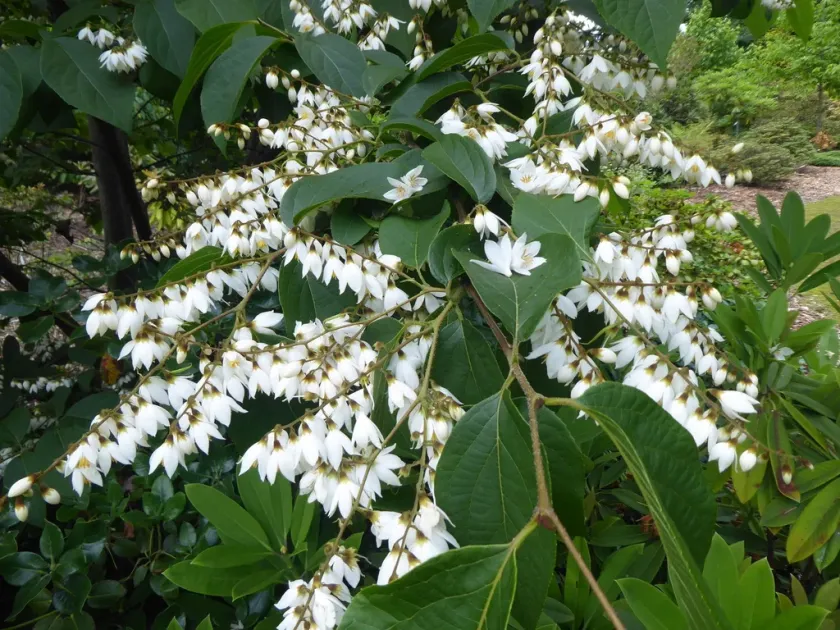
The botanical structure of Styrax huanus is characterized by its elegant foliage and distinct floral morphology, which is highly appreciated in specialized horticultural collections and botanical gardens.
Economic and horticultural use includes its role as a decorative landscape feature and scientific research into the biochemical properties of its resinous bark, a common feature among Styrax genus members.
Main diseases and pests
Root rot pathogens represent the most significant threat to Styrax huanus, usually triggered by poor drainage or excessive irrigation practices. Ensuring an oxygen-rich root zone is vital for survival.
Common pests include spider mites and aphids, which can proliferate during periods of low humidity and high temperatures. Integrated pest management, including regular inspection and biological control, is recommended.
Fungal infections of the foliage, such as powdery mildew, can occur when the plant is kept in conditions with poor air circulation. Thinning out the canopy helps to maintain proper aeration.
Mechanical damage to the trunk or branches must be avoided, as open wounds provide entry points for wood-decaying fungi. If pruning is necessary, tools must be sanitized to prevent disease spread.
Finally, nutritional deficiencies can weaken the tree's resistance to environmental stress. A balanced fertilization program during the growing season helps sustain plant vigor and health.