
Sinojackia
Sinojackia
Description
Growing requirements
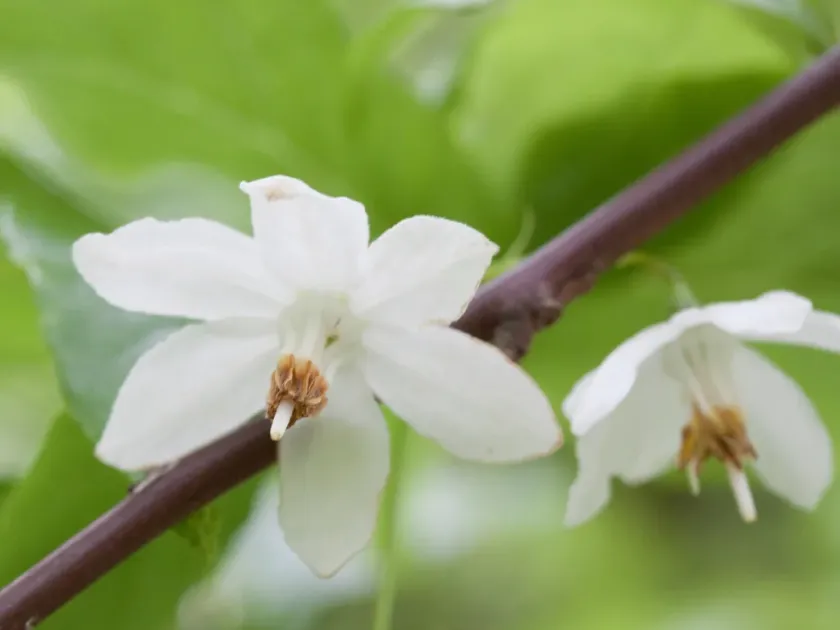
Sinojackia is a genus of deciduous trees and shrubs belonging to the Styracaceae family. Native primarily to the forests of China, these plants are highly regarded by horticulturists for their elegant, drooping white flowers that bloom in spring.
To thrive, Sinojackia requires moist, well-drained soil rich in organic matter. They perform best in slightly acidic to neutral soil environments, making them suitable for garden beds that provide ample nutrients and consistent moisture levels.
Regarding climate, this plant prefers temperate conditions with protection from harsh winds. While they can tolerate moderate cold, young plants often require winter mulching and protection to survive frost and ensure healthy development in the following season.
Light exposure should be carefully managed; while they can grow in full sun in cooler climates, they generally prefer dappled sunlight or partial shade. This helps protect the foliage from scorching during the peak heat of summer afternoons.
The primary horticultural use of Sinojackia is ornamental. It is often utilized as a specimen plant in landscape designs where its delicate blossoms and graceful form can be highlighted against a backdrop of darker evergreens.
Main diseases and pests
While Sinojackia is generally resilient, it is susceptible to typical garden pests such as aphids and spider mites, which can cause leaf damage and weaken the overall vigor of the plant during the growing season.
Fungal diseases, including leaf spot and powdery mildew, may occur if air circulation is restricted or if the plant is kept in excessively humid, stagnant conditions, especially during rainy weather.
Root rot is a critical threat that stems from waterlogged soil. To prevent this, it is essential to ensure that the site has excellent drainage and that watering practices are adjusted based on soil moisture monitoring.
Scale insects can occasionally infest the stems. If detected early, these can be managed through manual removal or the application of horticultural oils, which are generally safe for the plant when applied correctly.
Maintain plant health through regular sanitation practices, including the removal of deadwood and the application of balanced fertilizers, which support the plant's natural ability to withstand pathogenic pressure and environmental stress.