
Benzoin tree
Styrax benzoin Dryand.
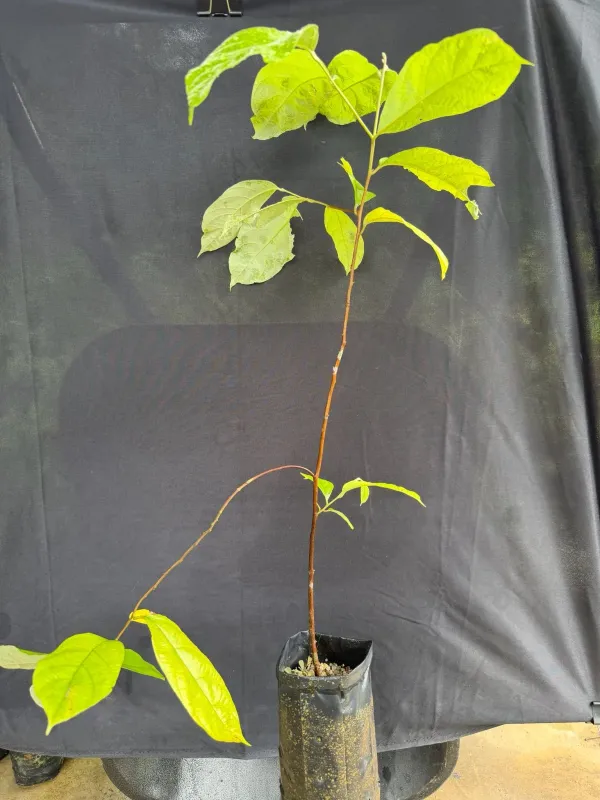
Description
Sowing dates
Propagation of the benzoin tree (Styrax benzoin) is primarily achieved through seeds. Due to their specific dormancy requirements, seeds are often treated to improve germination rates before being sown in nursery beds with nutrient-rich, organic soil.
During the early growth stage, seedlings are kept under partial shade to protect them from excessive UV radiation and ensure steady development. Maintaining consistent soil moisture is crucial during this period as the young plants are sensitive to drought.
Once the saplings reach a height of approximately 50 cm, they are transplanted into permanent plantation plots. This transition usually occurs at the onset of the rainy season to facilitate rapid root establishment in the new environment.
Optimal planting density is essential for sustainable growth, with trees spaced at intervals of at least 4 to 5 meters. This spacing allows for sufficient airflow and light penetration, reducing the risk of fungal infections within the plantation canopy.
Initial agro-management includes frequent weeding and monitoring for pests. Young trees are highly susceptible to competition, so keeping the base area clear is vital for their long-term health and growth vigor.
Growing requirements
The benzoin tree is a member of the Styracaceae family, native to the humid tropical forests of Southeast Asia. It thrives in high-temperature environments, ideally between 22°C and 30°C, and requires a consistent tropical climate throughout the year.
The tree prefers deep, well-drained soils rich in organic matter. While it requires high rainfall, it is intolerant of waterlogged conditions, which can quickly lead to root rot and systemic tree decay.
Light intensity plays a significant role in the tree's maturity. While juvenile trees require shade, adult trees benefit from full sunlight, which serves as a stimulant for the production of resinous compounds within the trunk tissues.
In addition to climatic conditions, soil health is maintained through organic mulching, which mimics the natural forest floor. This practice preserves soil moisture and promotes the development of beneficial mycorrhizal fungi.
Overall, the cultivation of this species is limited to the equatorial zone, as it cannot withstand frost or significant temperature fluctuations, which can irreparably damage the tree's metabolic functions.
Yield
Economic production of benzoin resin begins only when the tree reaches maturity, typically between 7 and 10 years of age. At this stage, the trunk must have a sufficient diameter to safely sustain periodic tapping.
Yield levels depend heavily on the tree's age and the skill applied during the tapping process. A healthy, mature tree can produce between 0.5 and 1.5 kilograms of resin annually when managed under optimal agricultural practices.
The resin is collected as it hardens on the surface of the bark after the tree is incised. Quality is determined by the purity of the resin, as well as the frequency of harvest cycles, which should be carefully managed to prevent tree exhaustion.
Genetic selection of high-yielding cultivars is becoming increasingly common in professional plantations. By selecting trees that demonstrate superior resin flow, farmers can maximize the economic output per hectare.
Maintaining a balance between yield and tree recovery is essential. Over-tapping the tree significantly decreases its life span and reduces the quality of the resin produced in subsequent seasons.
Main diseases and pests
Fungal infections are the most significant threat to benzoin trees, particularly following the physical trauma of tapping. If not managed properly, these infections can spread through the trunk, leading to structural rot.
Wood-boring insects (xylophages) pose a constant challenge, as they exploit the incisions made during the harvest. These pests interrupt the nutrient flow in the bark, causing the tree to weaken and reducing its resin production capacity.
High humidity, while necessary for growth, often encourages mold growth on harvested resin or fresh tapping wounds. Proactive sanitation, including the disinfection of tapping tools, is a standard agricultural defense measure.
Competing vegetation, such as invasive vines and epiphytes, can smother the trees, limiting their access to sunlight and nutrients. Regular plantation maintenance and clearing are required to ensure the trees remain robust.
Environmental stress, such as prolonged drought, can make the trees more susceptible to mites and other foliage pests, which may lead to leaf drop and a decrease in the tree’s photosynthetic efficiency.
Harvesting
The harvest is a manual process requiring precise tools to make shallow cuts in the bark. Skilled workers ensure the cuts do not penetrate too deeply, preserving the cambium layer to prevent long-term damage.
Once the cuts are made, the resin exudes as a viscous liquid that solidifies into lumps upon contact with air. The collection process involves periodic rounds through the plantation to gather the hardened resin.
Post-harvest, the collected resin undergoes sorting based on cleanliness and color. High-grade resin, which is free of bark fragments and impurities, commands a premium price in international fragrance and medicinal markets.
Following a season of collection, the tree is given a rest period to heal its wounds. During this time, the plantation is inspected for signs of disease, and any necessary protective treatments are applied to the bark.
Proper storage of the final product is critical. The resin must be kept in airtight containers in a cool, dark environment to prevent the degradation of aromatic essential oils and oxidation caused by light exposure.