
Japanese snowbell
Styrax japonicus Siebold & Zucc.
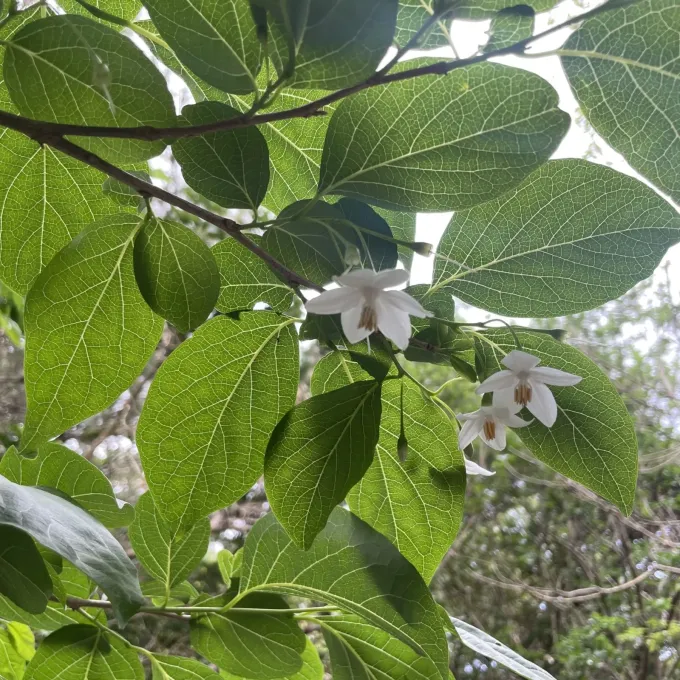
Description
Sowing dates
Japanese snowbell (Styrax japonicus) is typically propagated via seeds, although germination can be challenging due to seed dormancy. Seeds require a period of cold stratification for several months at temperatures between 1°C and 5°C before they can successfully germinate in spring.
Sowing should take place in a well-draining, slightly acidic soil medium. Seeds are placed at a shallow depth of about 2-3 centimeters. Patience is required, as the process of breaking dormancy and establishing the root system can take time.
For large-scale cultivation, semi-hardwood cuttings are often used. These are collected in mid-summer, treated with rooting hormones, and placed in mist chambers to maintain high humidity levels, which is essential for successful root development.
Seedlings or rooted cuttings should be grown in containers for the first two years. This allows for controlled fertilization and monitoring, ensuring that the root system is robust enough to withstand the stress of transplanting into the ground.
The transition to permanent outdoor locations is best done in early spring. This timing allows the plant to establish itself in the new environment before the onset of the heat of summer or the stress of the next winter.
Growing requirements
Styrax japonicus, a member of the Styracaceae family, is native to the woodlands of East Asia. It thrives in locations that provide partial shade or dappled sunlight, protecting the foliage from intense midday heat which can cause scorching.
The species prefers moist, fertile, acidic soils rich in organic matter. Alkaline or calcareous soils are unsuitable for this plant, as they inhibit nutrient uptake and frequently lead to iron chlorosis, manifesting as yellowing leaves.
Proper water management is critical for the healthy growth of the Japanese snowbell. The soil should remain consistently moist, but excellent drainage must be guaranteed; the roots will rot quickly if left in standing water or compacted clay.
While the tree exhibits moderate cold hardiness (USDA zones 6–8), young plants benefit from winter protection against harsh, desiccating winds. Applying a layer of organic mulch around the base helps regulate soil temperature and conserve moisture.
Pruning should be minimal, focused primarily on removing dead or crossing branches to maintain the tree's natural elegant habit. Any major structural pruning is best performed during the dormant season to minimize sap loss.
Main diseases and pests
The Japanese snowbell is generally resistant to major pests and diseases, but it remains susceptible to fungal issues such as powdery mildew, especially in environments with poor air circulation and high humidity.
Pests like aphids and spider mites can occasionally affect the tree, particularly during hot and dry spells. Integrated pest management strategies, including the use of neem oil or targeted insecticides, are effective in controlling these infestations.
Root rot caused by Phytophthora is a significant threat if drainage is inadequate. Careful site preparation and the avoidance of over-irrigation are the primary defensive measures against soil-borne pathogens.
Mechanical damage to the bark by equipment or animals can provide an entry point for wood-decay fungi. Protecting the trunk with guards is advisable in landscapes where wildlife or maintenance equipment could cause injury.
Monitoring for premature leaf drop or discolored branches is essential. Early identification of stress factors—whether biological or environmental—is the best way to ensure the long-term health and vigor of the tree.