
Styrax leprosus
Styrax leprosus
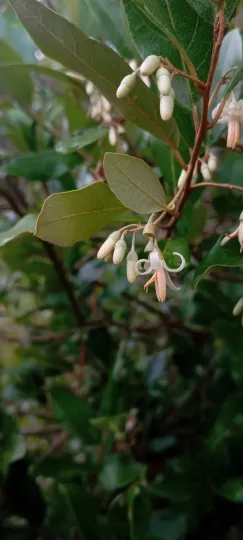
Description
Growing requirements
Styrax leprosus is a distinctive woody plant species belonging to the Styracaceae family. It is recognized for its unique botanical profile, specifically the lepidote or scaly indumentum on its leaves, which provides protection against environmental stressors in its natural tropical habitat.
The native distribution of this species is primarily centered in South American tropical forests. Throughout its evolution, the plant has adapted to thrive in well-drained soil environments, often establishing itself in diverse forest compositions where canopy structure offers intermittent light and shade conditions.
Regarding cultivation requirements, the species demands a warm, stable climate without extreme frost exposure. Success in agricultural or forestry settings depends heavily on soil selection; sites must offer excellent drainage to prevent root hypoxia, which is a common limiting factor for Styracaceae growth.
Maintenance of the crop involves monitoring soil pH, which should ideally fall within the slightly acidic to neutral range. While generally resilient, young trees benefit from careful initial management, including appropriate spacing and light management to simulate the ecological niches of their native environment.
Economically, Styrax leprosus is valued for both its physical properties and its biochemical profile. The tree is known to produce resins that have historically been utilized in niche industrial applications, while its timber and ornamental value continue to draw interest from forestry and landscape specialists.