
Sinojackia rehderiana
Sinojackia rehderiana
Description
Growing requirements
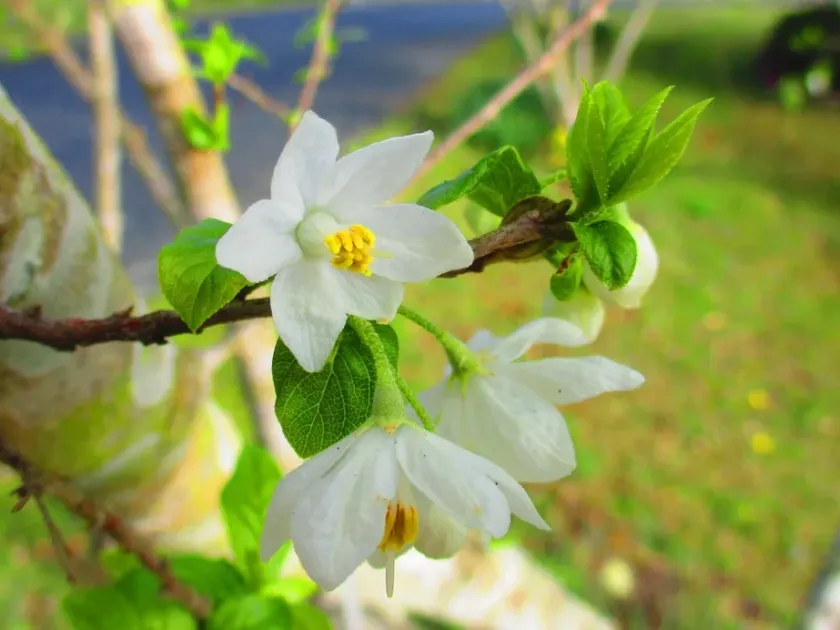
Sinojackia rehderiana is a rare deciduous tree or shrub belonging to the Styracaceae family. Native to the forests of China, it is highly prized by horticulturalists for its delicate, white, bell-shaped flowers that hang gracefully from slender branches.
The cultivation of this species requires a location with partial shade or filtered sunlight. It thrives in deep, humus-rich soil that must be consistently moist but well-draining to prevent the roots from becoming waterlogged.
In terms of climate, the plant prefers temperate conditions with high humidity levels. While it possesses moderate hardiness, it requires protection from harsh, drying winds and late spring frosts which can damage the tender, developing flower buds.
Agricultural practices for this culture emphasize mulching the root zone to maintain stable soil temperatures and moisture levels. Regular applications of organic compost during the spring growing season significantly improve foliage density and overall plant vigor.
This plant is primarily used for ornamental purposes in gardens and landscapes. Its unique flowering habit makes it an excellent choice for specimen planting, particularly in shaded woodland-style gardens where its subtle beauty can be fully appreciated.
Main diseases and pests
Sinojackia rehderiana is generally robust but can be susceptible to fungal diseases such as powdery mildew. This typically occurs in environments with poor air circulation or excessively high humidity levels during the summer months.
Pests such as aphids and scale insects may occasionally infest the young shoots and leaves. Monitoring the plant during the early growth phase allows for effective manual removal or the application of horticultural oils to keep pest populations in check.
Root rot is a major threat if the planting site lacks proper drainage. Providing a gravel or sand base beneath the root ball during planting is a recommended practice to ensure excess water is directed away from the root system.
Environmental stress, particularly from sudden drops in temperature, can lead to bark splitting. Protecting the base of the trunk with organic mulch and covering the canopy during extreme cold spells are essential winter management techniques.
Sanitation is key to preventing disease transmission within the garden. Always sterilize pruning shears before cutting any wood, and ensure that diseased tissue is removed and disposed of away from the main planting site to prevent reinfection.