
Styrax paralleloneurus
Styrax paralleloneurus
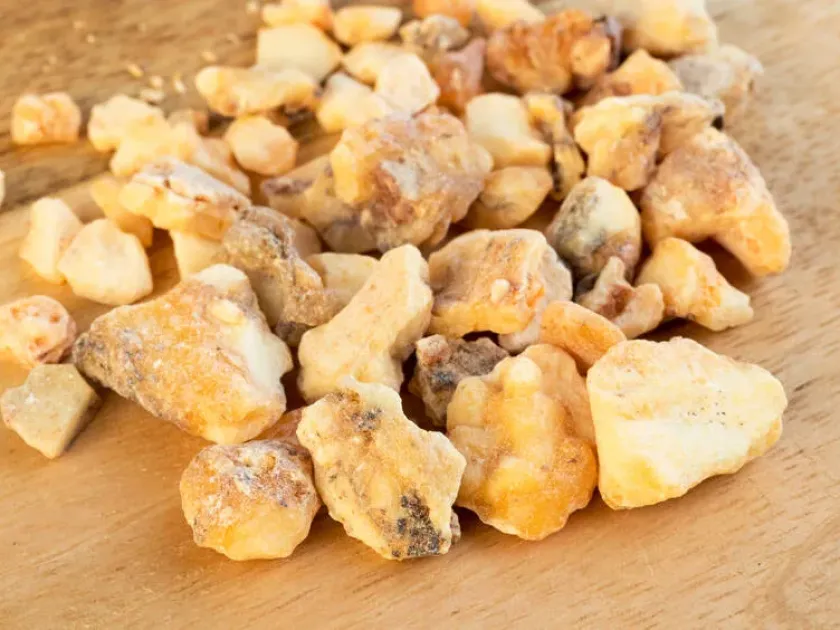
Description
Sowing dates
The sowing of Styrax paralleloneurus seeds requires careful pre-treatment due to the dormancy of the embryo. Stratification in a cool, moist environment for several months is strongly recommended to break dormancy and ensure uniform germination.
Spring is the most favorable time for sowing, once the soil has warmed up and the risk of frost has fully passed. The seeds should be planted in a well-draining, loose substrate at a depth of approximately 2 to 3 centimeters.
To improve germination rates, agricultural techniques often include scarification of the seed coat or the use of specialized plant growth regulators. Maintaining consistent moisture levels throughout the germination process is essential for seedling success.
In natural habitats, regeneration occurs through self-seeding, with seedlings requiring partial shade to thrive. Cultivation practices should mimic this by providing protection from direct, harsh sunlight during the early growth stages.
Transplanting young saplings to their final site should be done with minimal disturbance to the root system. Proper handling at this stage is crucial to prevent transplant shock and ensure healthy establishment.
Growing requirements
Styrax paralleloneurus, a member of the Styracaceae family, is native to the tropical forests of Southeast Asia. It thrives in warm, humid climates characterized by minimal seasonal temperature fluctuations, making it ideal for specific tropical regions.
The species demands fertile, deep, and well-draining loam soils rich in organic matter. Waterlogged conditions are detrimental to the root system, so ensuring proper soil drainage is a priority for successful cultivation.
This tree species is adapted to an understory environment, meaning it requires protection from intense, direct solar radiation. Partial shade or a multi-layered canopy provides the optimal lighting conditions for healthy leaf development.
Soil pH should remain in the slightly acidic range to facilitate optimal nutrient uptake. Regular applications of organic mulch can improve soil structure, maintain consistent moisture, and provide essential nutrients to the trees.
Water requirements are consistently high throughout the growing season. Irrigation should be managed to keep the soil moist but not saturated, especially during the peak growth periods and flowering, to avoid physiological stress.
Yield
The primary economic value of Styrax paralleloneurus lies in its high-quality timber, which is highly sought after for fine woodworking due to its distinct texture and durability. The species is characterized by a moderate growth rate, requiring a long-term management cycle.
Productivity is closely linked to stand density and the quality of silvicultural care provided during the early years of growth. Sustainable harvest practices allow for periodic thinning to promote the development of superior trees.
Beyond timber, the species contributes to forest ecosystem health. Its aesthetic qualities also make it a candidate for high-end landscape architecture in regions with compatible climatic conditions, adding to its non-timber value.
Yield estimation is conducted by measuring the annual increment of wood volume per hectare. Strategic management plans are essential to balance the harvest cycles and maintain the long-term fertility of the forest plots.
Sustainable production models prioritize maintaining soil organic content and promoting biodiversity. This holistic approach ensures the plantation remains productive for decades while minimizing the need for intensive external inputs.
Main diseases and pests
Fungal pathogens represent the most significant threat to the health of Styrax paralleloneurus, particularly in conditions with high humidity and poor air circulation. Leaf spot and stem cankers are common issues that require monitoring.
Various pests, including leaf-eating insects and scale insects, can negatively affect the vitality of the trees. Regular surveillance allows for early detection and the implementation of targeted control measures to protect the canopy.
Root rot is a major risk when soil drainage is inadequate. Prevention is much more effective than treatment; therefore, maintaining a balanced moisture regime is the most critical cultural practice for avoiding these soil-borne diseases.
Weed competition can severely stunt the growth of young saplings by depleting essential nutrients and water. Manual weeding or the use of sustainable mulching techniques is vital to ensure the young trees are not outcompeted.
Integrated Pest Management (IPM) strategies are recommended to mitigate threats while protecting the environment. By avoiding heavy chemical use, growers can maintain a healthy forest ecosystem and the natural resilience of the trees.