
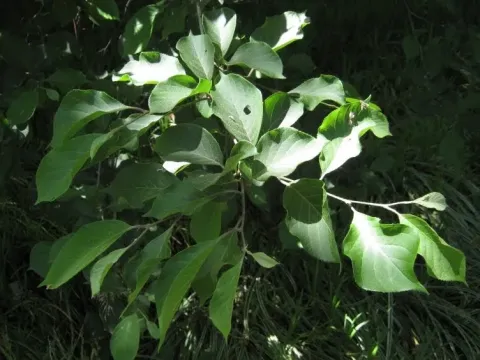
Pterostyrax hispida
Pterostyrax hispida
Pterostyrax hispida, commonly known as the fragrant epaulette tree, is a deciduous ornamental tree belonging to the Styracaceae family. Native to the forests of China and Japan, it is highly prized for its pendulous racemes of fragrant white flowers that bloom in early summer.
What the section contains
Pterostyrax hispida
The tree thrives best in fertile, well-draining soils rich in organic matter. It displays a strong preference for neutral to acidic soil conditions and tends to suffer from chlorosis if planted in soils with high calcium content or high pH levels.
Climate requirements include a cool, temperate environment with consistent moisture. While the tree appreciates sunlight, it is best planted in a location that offers protection from intense midday heat and strong, drying winds to prevent leaf scorch.
Proper agricultural practice involves maintaining a moist soil environment, especially during the establishment phase. Applying a layer of organic mulch around the root zone helps conserve moisture and provides a stable temperature for the roots during hot summer months.
Propagation is primarily achieved through greenwood cuttings in early summer or via seed, although seeds can be difficult to germinate and require prolonged stratification. Consistent monitoring of soil humidity is essential to ensure robust growth and flower production.
This species is generally considered resilient, though it is susceptible to root rot if grown in heavy or waterlogged soils. Ensuring adequate drainage is the most effective preventive measure against fungal pathogens in the soil.
Insects such as aphids and spider mites may occasionally infest the foliage, particularly during prolonged dry spells. Utilizing horticultural oils or systemic insecticides can help manage these populations without causing stress to the plant.
Cold hardiness is a significant factor for Pterostyrax hispida in colder zones. Young plants are particularly vulnerable to late spring frosts and severe winter cold, often requiring protective covering or burlap wrapping to survive the first few years.
Nutrient deficiencies can lead to leaf yellowing, a condition frequently mistaken for disease. Providing a balanced, acid-loving plant fertilizer in early spring can help mitigate these issues and support the overall health of the tree.
Regular sanitation, including the removal of dead or crossing branches, is necessary to maintain proper airflow within the canopy. This practice prevents the development of stagnant air pockets where fungi and pests are more likely to thrive.