
Sinojackia
Sinojackia Hu
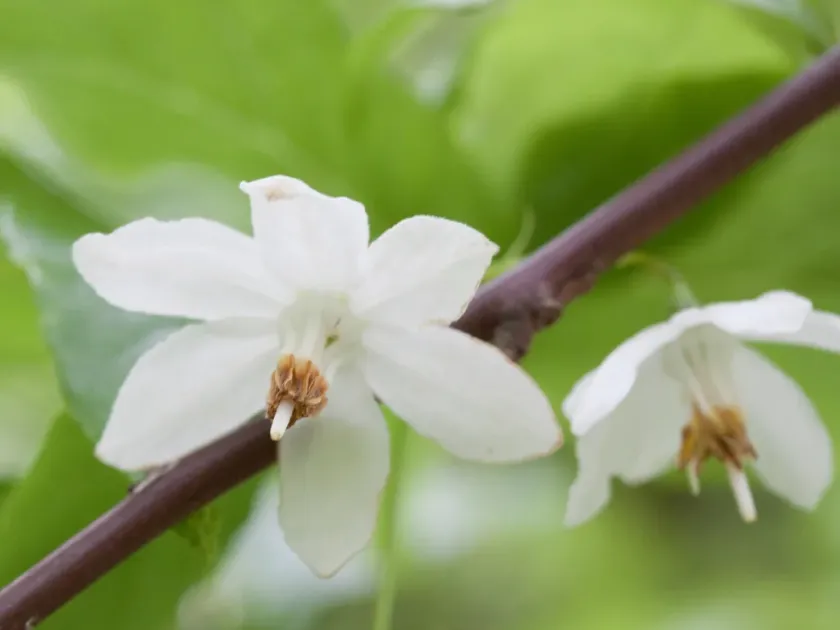
Description
Growing requirements
Sinojackia is a genus of deciduous trees and shrubs belonging to the Styracaceae family. These plants are native to Eastern China, where they are typically found in moist, deciduous forests and along riverbanks, showcasing their preference for specific ecological niches.
Successful cultivation requires soil that is fertile, rich in organic matter, and well-drained. The plant thrives in environments that mimic its natural habitat, requiring consistent moisture without being waterlogged, as poor drainage is detrimental to its health.
Sinojackia prefers partial shade, which protects the plant from intense sun exposure that can damage its foliage. It is generally hardy, but it requires shelter from strong, drying winds to maintain its aesthetic appeal and structural integrity throughout the growing season.
Agricultural management should focus on maintaining a stable soil environment. Mulching is highly recommended to preserve soil moisture and regulate temperature around the root zone, which is particularly critical for young and establishing specimens.
The primary use of Sinojackia is ornamental landscaping. Its elegant, bell-shaped white flowers make it a highly desirable addition to botanical gardens and private estates, providing a unique vertical element and seasonal beauty to the garden landscape.
Main diseases and pests
The genus is susceptible to various fungal pathogens, particularly those affecting the root system when drainage is compromised. Managing water levels and avoiding saturated soil conditions are key preventative strategies for maintaining long-term vitality.
Pests such as aphids and scale insects are common threats that target tender new growth. Early detection is essential, as these pests can cause leaf curling and stunt the plant's growth if left unmanaged for extended periods of time.
Integrated pest management, involving a combination of physical inspections and targeted treatments, is the most effective approach. Maintaining high cultural standards, including proper spacing and sanitation, reduces the overall pest pressure significantly.
Nutritional deficiencies can manifest as chlorosis if the soil pH is not maintained within the optimal range. Regular soil testing allows for precise amendment applications, ensuring that the plant receives essential micronutrients required for photosynthesis.
Environmental stress, such as severe fluctuations in humidity or prolonged drought, can leave the plant vulnerable to secondary infections. Regular monitoring during hot, dry spells is necessary to ensure the plant does not reach a critical stress threshold.