
Halesia
Halesia J. Ellis ex L.
Description
Growing requirements
Halesia, commonly known as the silverbell or snowdrop tree, is a genus of deciduous trees and shrubs within the Styracaceae family. Native to North America, these plants are renowned for their ornamental value in temperate gardens.
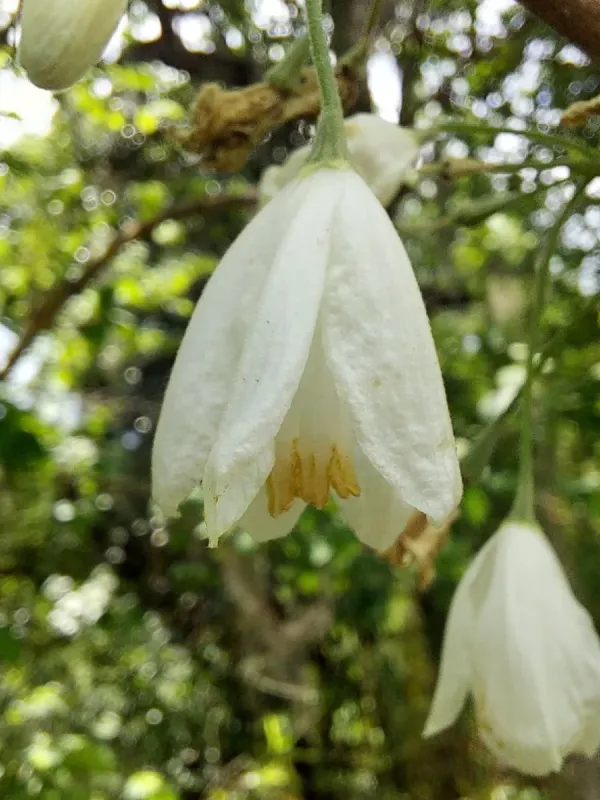
The defining characteristic of Halesia is its flowers, which appear in spring as delicate, pendulous bells. These blossoms are typically white or pale pink, creating a stunning visual effect when the tree is in full bloom against the backdrop of emerging green foliage.
Regarding climate, Halesia thrives in temperate zones with consistent moisture. It requires a location protected from harsh winter winds and prefers partial shade, especially in warmer regions where the afternoon sun might scorch the leaves.
Soil requirements focus on rich, acidic to neutral, and well-draining loamy soil. The plant is particularly sensitive to soil compaction and high alkalinity, which can impede nutrient uptake and overall tree vitality.
In terms of practical use, Halesia is highly sought after by landscape architects for its sculptural form and the unique appearance of its winged fruits, which persist well into the autumn season, providing extended interest.
Main diseases and pests
Halesia is generally a healthy plant but can be susceptible to fungal infections like leaf spot if air circulation around the crown is inadequate. Proper spacing during planting is crucial to prevent such issues.
Pests such as scale insects or aphids may occasionally infest branches, causing stunted growth. These should be monitored during the early growing season and treated with horticultural oils or appropriate insecticides if necessary.
Root rot represents the most significant threat to the longevity of the tree. This typically occurs in heavy, waterlogged clay soils, necessitating the implementation of proper drainage solutions before establishing the plant.
Nutritional deficiencies, specifically iron chlorosis, can occur if the soil pH is too high. Regular testing and amending the soil with sulfur or iron chelates are recommended for maintaining leaf health.
Maintenance of the surrounding area, including mulch management, helps keep the roots cool and moist, which serves as a protective measure against environmental stress and reduces the risk of secondary infections.