
Fragrant Epaulette Tree
Pterostyrax corymbosus
Description
Growing requirements
Pterostyrax corymbosus, commonly known as the Fragrant Epaulette Tree, belongs to the Styracaceae family and originates from the woodlands of Japan and China.
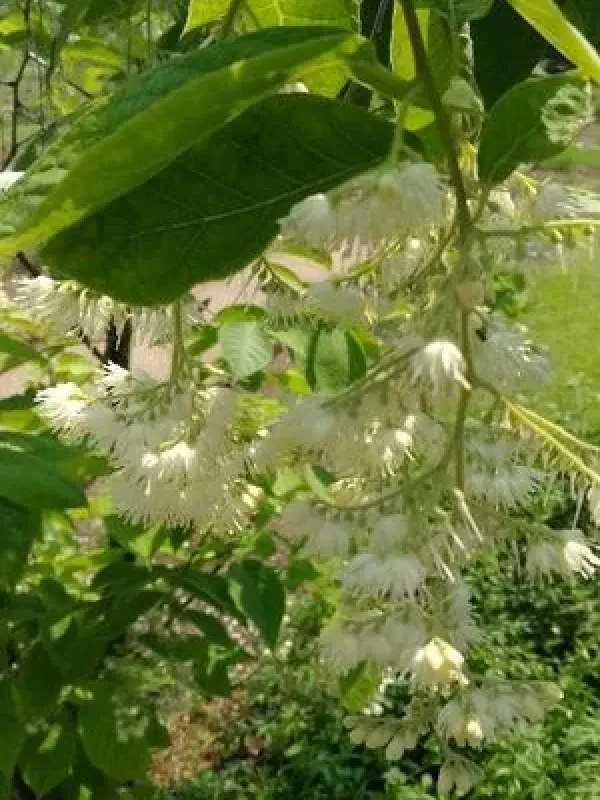
This species is highly valued for its elegant, pendulous panicles of fragrant, white flowers that bloom in late spring, creating a spectacular visual effect in a garden.
The plant thrives in deep, humus-rich, and slightly acidic soils that must remain consistently moist but well-drained to prevent root suffocation.
Regarding climate, it performs best in regions with mild temperatures, needing protection from cold, drying winds that can easily damage the foliage and flower buds.
It prefers a location that offers dappled shade or shelter from the intense afternoon sun, which ensures the leaves maintain their lush, green appearance throughout the summer.
Main diseases and pests
The tree is generally robust but can suffer from fungal infections if grown in areas with stagnant air circulation or overly wet conditions that promote leaf spotting.
Pests such as aphids and spider mites can occasionally colonize the undersides of leaves, especially during periods of drought when the plant is under water stress.
Winter hardiness is a significant factor in colder climates, where young trees require wrapping or mulching to protect the base from severe frost damage.
Root rot caused by Phytophthora species is a potential risk if the soil lacks sufficient drainage or if the plant is subjected to prolonged waterlogging.
Proactive maintenance, including regular pruning of deadwood and the use of targeted systemic treatments, helps minimize these threats and ensures long-term plant health.