
Sinojackia xylocarpa
Sinojackia xylocarpa
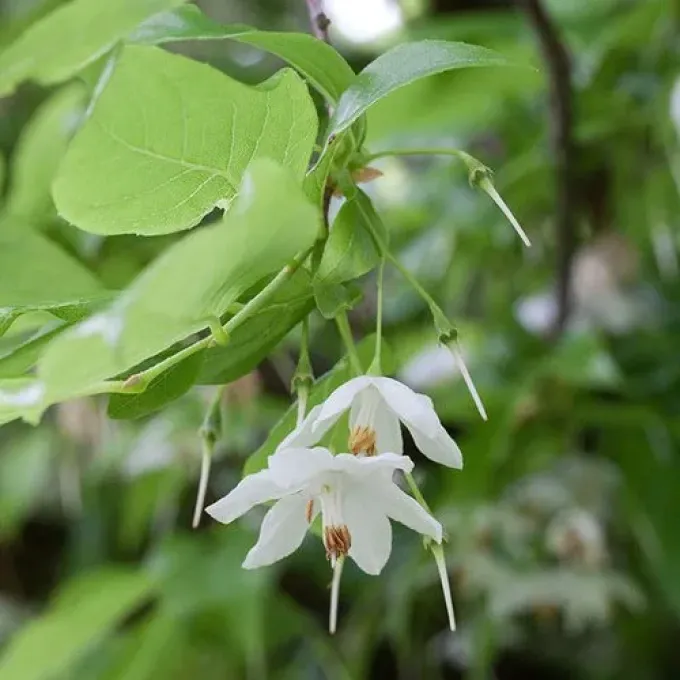
Description
Growing requirements
Sinojackia xylocarpa is a deciduous tree or shrub belonging to the Styracaceae family. It is highly valued in horticulture for its elegant white pendulous flowers that bloom in spring, creating a distinct aesthetic appeal in gardens.
Native to the provinces of Jiangsu and Anhui in China, this species typically grows in moist, wooded valleys and along stream banks. Its natural habitat dictates the need for consistent moisture and protection from harsh environmental conditions.
The plant thrives in partial shade, as the foliage is susceptible to scorching if exposed to intense, direct afternoon sun for prolonged periods. It performs best in sheltered locations that provide protection from drying winds.
Soil requirements include a rich, well-draining substrate with a slightly acidic to neutral pH. It is essential to ensure that the site does not hold standing water, as the roots are sensitive to hypoxia and fungal rot caused by waterlogging.
Regarding climate, Sinojackia xylocarpa prefers mild, humid conditions. While mature trees can tolerate some cold, young specimens require protection against severe frost, usually provided by organic mulch and horticultural fleece during winter months.
Main diseases and pests
There are no major commercial pests or widespread diseases specifically devastating to Sinojackia xylocarpa. However, like many ornamental trees, it is susceptible to opportunistic pathogens when placed under stress.
Root rot is the most significant threat, typically caused by over-irrigation or poor soil drainage. Maintaining a proper balance of soil moisture is the primary defensive measure against these soil-borne pathogens.
Leaf-eating insects and sap-sucking pests such as aphids or spider mites may occasionaly occur, particularly during hot and dry spells. Integrated pest management using insecticidal soap or neem oil is usually effective.
Nutrient deficiencies, particularly iron chlorosis, can manifest as interveinal yellowing of the leaves. This is common when the soil pH is too high, inhibiting the uptake of essential micronutrients.
Regular monitoring of the canopy and base is recommended. Prompt removal of dead wood and maintaining a clean planting area helps to prevent the establishment of fungal spores or wood-boring insects.