
Dipteronia sinensis
Dipteronia sinensis
Description
Growing requirements
Dipteronia sinensis, commonly known as Chinese dipteronia, is a unique deciduous tree belonging to the Sapindaceae family, which also includes maples. In its natural habitat, this plant grows in the mountainous forests of central and southern China, preferring moist, sheltered environments protected from harsh winds.
The culture has specific soil requirements for optimal development, demanding fertile, well-draining loams with a neutral or slightly acidic pH level. Stagnant water around the roots is fatal for the plant, so agricultural practice must ensure a high-quality drainage layer during the initial planting phase.
The plant exhibits moderate frost hardiness and thrives best in cool, temperate climates. In regions with harsher winters, young saplings require protective winter covering to prevent shoot dieback and damage to the sensitive bark, ensuring long-term survival in garden settings.
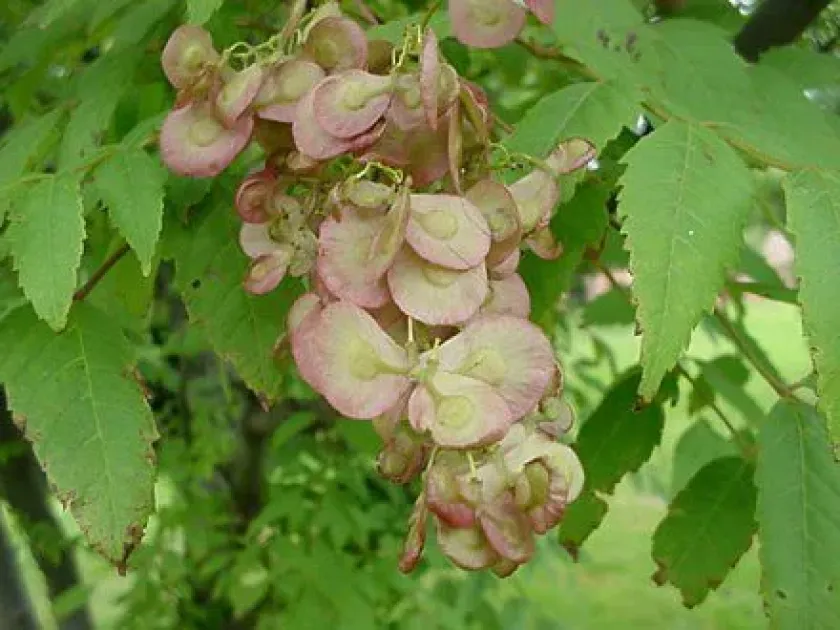
Botanically, Dipteronia is renowned for its complex pinnate leaves and distinctive disc-shaped samaras. These winged fruits facilitate efficient seed dispersal by wind, which serves as a vital adaptive strategy for the species within the dense, shaded mountain forest ecosystems of its origin.
Its agricultural and horticultural utility is primarily restricted to ornamental gardening and dendrology. Due to its rarity and status as a relict species, Dipteronia is highly prized by collectors and botanical gardens as a valuable genetic resource requiring expert care and controlled propagation methods.
Main diseases and pests
Dipteronia sinensis is generally considered resistant to most common agricultural pests. However, when cultivation standards are neglected, especially under conditions of excessive humidity, the tree may become susceptible to fungal infections such as powdery mildew or various leaf spot diseases.
Damage can also be caused by phytophagous insects typical of the Sapindaceae family, including aphids and leaf beetles. Regular monitoring of the canopy and timely application of systemic insecticides are essential to maintain the structural integrity and aesthetic value of the specimen.