
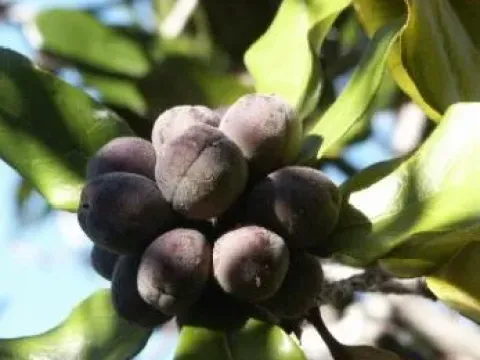
Xanthostemon sebertii
Xanthostemon sebertii
Xanthostemon sebertii is a prominent species of the Myrtaceae family, native to the ultramafic soils of New Caledonia. This evergreen tree is scientifically significant for its resilience in substrates with high concentrations of heavy metals, particularly nickel, which would be toxic to most other plant species.
What the section contains
Xanthostemon sebertii
The climate requirements for this plant include stable tropical temperatures with high humidity levels throughout the year. It cannot survive frost or prolonged cold snaps, making it suitable only for warm climate zones or strictly controlled greenhouse environments.
Regarding soil conditions, it requires well-drained, porous media that prevents water stagnation. While it thrives in nutrient-poor, mineral-rich soils, cultivation in domestic environments requires careful management to ensure the soil does not become overly saturated or acidic.
Agronomic practices for this species prioritize proper lighting, as it requires bright, filtered sunlight to maintain its aesthetic appearance and vigorous growth. In containers, repotting should be done cautiously to avoid disturbing the sensitive root system.
The practical use of Xanthostemon sebertii is primarily ornamental, favored for its striking foliage and potential for tropical landscape architecture. Furthermore, it is studied for its phytoremediation potential, as it naturally accumulates minerals from the ground.
Root rot remains the most significant threat to the survival of Xanthostemon sebertii in cultivation, usually caused by poor drainage or overly frequent irrigation cycles.
Scale insects and mealybugs are the primary pests that may infest the foliage, particularly when the tree is grown in closed greenhouse conditions without sufficient air circulation.
Maintaining a clean growing environment and ensuring proper spacing between plants is essential to reduce the likelihood of pest outbreaks and fungal spores spreading.
Early detection through regular inspection is vital, as tropical species can be sensitive to aggressive chemical treatments that might burn the leaves or stunt growth.
In case of severe infestations, it is recommended to use gentle, systemic control methods and immediately adjust environmental parameters to support the plant's natural immune response.