
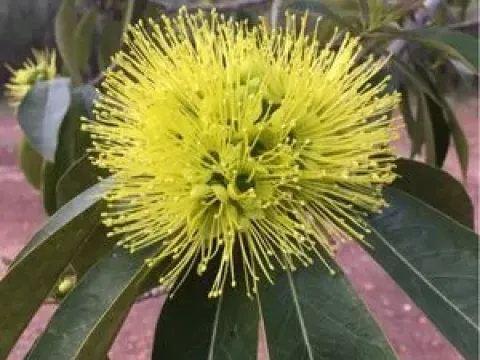
Xanthostemon petiolatus
Xanthostemon petiolatus
Xanthostemon petiolatus is a prominent member of the Myrtaceae family, recognized for its evergreen foliage and significant ornamental value. This species serves as a robust tree that contributes to the ecological stability of tropical landscapes.
What the section contains
Xanthostemon petiolatus
Originating from the tropical forests of Southeast Asia and Australia, the plant thrives in humid environments. It is strictly a tropical species, requiring constant warmth and high ambient humidity to maintain its peak physiological performance.
In terms of soil requirements, the plant prefers deep, well-drained loamy soils with a slightly acidic to neutral pH level. Proper drainage is essential to avoid the accumulation of water, which can be detrimental to the sensitive root system.
Agronomic management involves standard practices such as controlled irrigation during drier months and the application of balanced NPK fertilizers to promote lush growth. Periodic pruning is also beneficial to encourage a denser and more symmetrical canopy structure.
Its primary agricultural and landscape use lies in its high ornamental potential for parks, street linings, and residential estates. The tree is highly appreciated for its resilience and ability to provide significant shade in urban tropical settings.
The main phytosanitary risks involve root rot caused by pathogens like Phytophthora, especially in poorly drained soils. Maintaining proper soil health and avoiding over-irrigation are key preventative measures against these pathogens.
Insect pests such as scale insects and spider mites are frequent invaders of the foliage. Integrated pest management, including regular monitoring and the use of targeted systemic insecticides, is recommended to ensure the healthy development of the trees.