
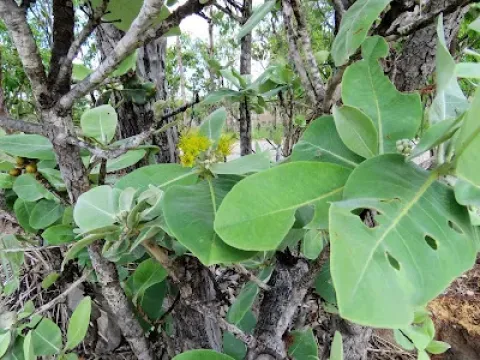
Xanthostemon verus
Xanthostemon verus
Xanthostemon verus is a tropical evergreen tree belonging to the Myrtaceae family. Native to the tropical regions of Southeast Asia, specifically the Philippines and surrounding islands, it is recognized for its high-density timber.
What the section contains
Xanthostemon verus
The tree thrives in hot, humid tropical climates that do not experience significant seasonal variations. It requires high annual rainfall and consistent temperatures to maintain its growth rates and healthy foliage throughout the year.
Optimal soil conditions for this species involve well-drained, nutrient-rich soils. The tree is intolerant of waterlogging, making proper drainage systems essential in plantation settings to prevent root rot and ensure tree vitality.
Being a light-demanding species, Xanthostemon verus requires adequate exposure to sunlight to develop straight, high-quality trunks. Managing canopy density in plantations is a critical aspect of silvicultural management for this tree.
Silvicultural practices focus on young tree protection and spacing. Proper plantation layout ensures that each tree has sufficient space to grow, reducing competition for essential soil nutrients and water resources.
The economic value of this culture lies primarily in its timber, often referred to as Pinyu or Munsing. It is renowned for its extreme hardness, density, and resistance to environmental degradation, making it ideal for heavy-duty applications.
Common uses include ship construction, industrial flooring, and long-lasting exterior carpentry. The timber's natural durability against decay and termites provides a competitive advantage over many other construction materials.
Harvesting is typically scheduled when trees reach technical maturity. Due to the tree's slow growth cycle, sustainable management is vital to ensure long-term availability of the timber resource for the construction industry.
Processing the wood requires specialized machinery due to its high hardness and density. Manufacturers must use high-quality tools to achieve the desired finish, as the material can cause significant wear on standard blades.
Post-harvest management involves careful drying to prevent internal cracking or warping. Once treated, the wood provides exceptional structural integrity for high-end applications where longevity is the primary requirement.