
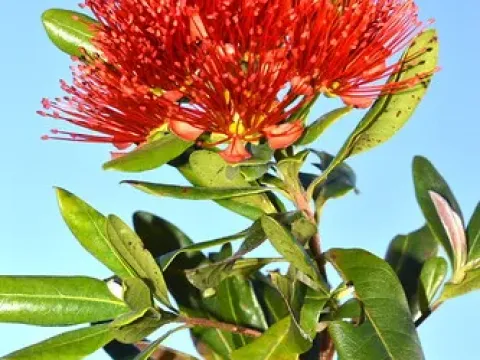
Xanthostemon youngii
Xanthostemon youngii
Xanthostemon youngii is a prominent species within the Myrtaceae family, celebrated for its striking, brush-like flowers. This evergreen tree is native to the tropical regions of Queensland, Australia, where it thrives in moist, high-humidity environments.
What the section contains
Xanthostemon youngii
In terms of habitat, this plant requires a subtropical or tropical climate to reach its full potential. It is sensitive to frost and cold snaps, making it suitable for cultivation primarily in warm-temperate regions or protected indoor environments like conservatories.
Soil requirements are quite specific: the plant demands well-drained, acidic to neutral soil rich in organic matter. A sandy loam or a specialized potting mix designed for tropical plants is ideal to prevent root rot, which is a common issue in poorly aerated soils.
Regarding cultural practices, regular but moderate irrigation is essential. During the growing season, consistent moisture is needed, while winter months call for a significant reduction in watering to allow the root system to recover and prevent waterlogging.
Pruning is an integral part of the management of Xanthostemon youngii. Systematic trimming after the flowering period encourages bushier growth and enhances the overall visual appeal, making it a highly desirable ornamental choice for landscaped gardens.
The primary threats to Xanthostemon youngii involve root pathogens, particularly Phytophthora species, which flourish in waterlogged soils. Ensuring excellent drainage is the most effective preventative measure against these devastating soil-borne diseases.
Insects such as mealybugs and scale insects represent the most significant pest pressure. These sap-sucking pests can weaken the tree if not managed. Regular monitoring of the foliage and stems is necessary to catch infestations early before they become severe.
Spider mites can also be problematic, especially in environments with low humidity or poor ventilation. Maintaining adequate airflow around the canopy helps minimize the risk of mite colonization and promotes healthy vegetative growth throughout the year.
Fungal leaf spot diseases may appear during periods of high humidity and rain, especially if the canopy is too dense. Thinning out the branches to improve air circulation within the tree's structure is an effective agronomic strategy to combat this.
Nutrient deficiencies, specifically iron chlorosis, can manifest in plants grown in soil with high pH levels. Corrective action involves the application of chelated iron supplements and maintaining the optimal soil acidity to ensure proper nutrient uptake.