
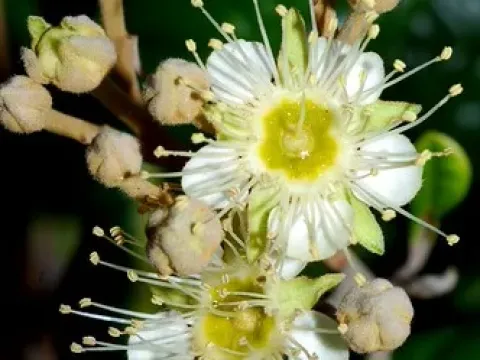
Xanthostemon graniticus
Xanthostemon graniticus
Xanthostemon graniticus is an evergreen shrub or tree belonging to the Myrtaceae family. Native to the granite outcrops of northeastern Queensland, Australia, this species is highly specialized, thriving in nutrient-poor but well-drained rocky environments where other plants might struggle.
What the section contains
Xanthostemon graniticus
For successful cultivation, the species requires full sun exposure and a tropical climate. It is extremely sensitive to frost and cold, making it unsuitable for outdoor cultivation in temperate zones unless kept in specialized greenhouse environments where temperatures can be strictly regulated.
The ideal soil conditions for this plant are acidic and highly porous. Gardeners should ensure the substrate mimics its natural rocky habitat by incorporating high amounts of grit or perlite. Proper drainage is the single most important factor to prevent root-related issues in this species.
Agronomic management involves maintaining consistent moisture without creating waterlogged conditions. Fertilizer application should be minimal and balanced, as excessive nitrogen can lead to rapid, weak growth that makes the plant more susceptible to pests and environmental stressors.
In landscaping, Xanthostemon graniticus is prized for its ornamental qualities, including its dense foliage and unique floral displays. It is often used in specialized botanic collections and tropical garden designs, requiring moderate maintenance once established in the correct ecological niche.
The primary agricultural threats to this species include fungal infections such as Phytophthora, which thrive in poorly drained soils. Regular monitoring of the stem base and root zone is essential to identify symptoms early and intervene with appropriate soil amendments or fungicides.
Common pests associated with this plant include sap-sucking insects like scale and mealybugs. These pests can significantly weaken the plant by drawing out nutrients from the leaves. Integrated pest management, including horticultural oils or biological controls, is highly recommended for effective long-term management.