
Xanthostemon verdugonianus
Xanthostemon verdugonianus
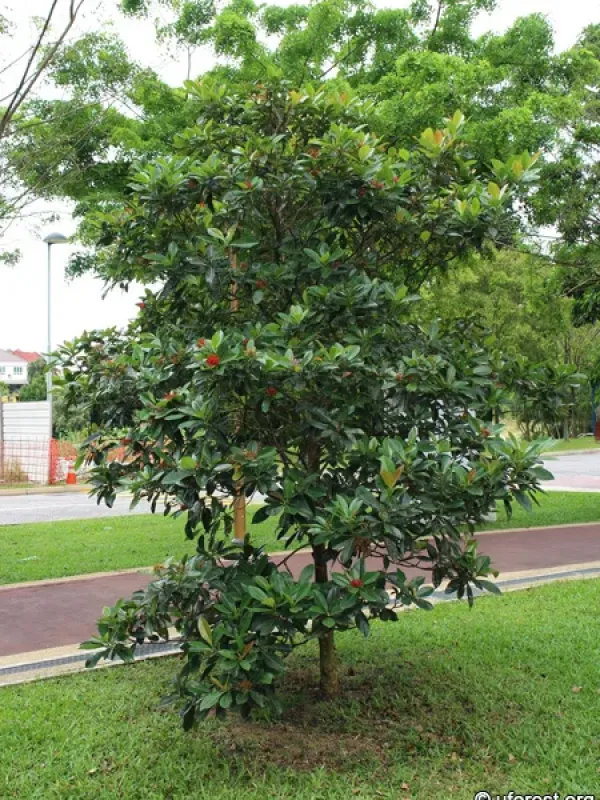
Description
Growing requirements
Xanthostemon verdugonianus, commonly known as Mangkono, is a distinct member of the Myrtaceae family. It is native to the tropical forests of the Philippines, where it thrives in high-humidity environments with significant annual rainfall.
Successful cultivation requires soil that is rich in organic matter and possesses excellent drainage capabilities. The plant is sensitive to waterlogged conditions, which can lead to root diseases and stunted overall development.
Climate requirements for this species include constant warmth and protection from strong winds. While mature trees are quite resilient, saplings require careful management and partial shade to establish a robust root system during the initial growth phase.
Agricultural practices for this crop focus on sustainable forestry methods. Due to its slow growth rate, intensive management is needed to prevent competition from faster-growing invasive vegetation during the early years.
Soil health maintenance through organic mulching is recommended to simulate natural forest floor conditions. This helps in nutrient cycling and prevents surface soil erosion, which is vital in tropical hilly terrains.
Harvesting
The primary economic value of Xanthostemon verdugonianus is its wood, often referred to as Philippine ironwood. It is highly valued for its extreme density, hardness, and durability against decay and termites.
Harvesting is strictly regulated due to the protected status of the tree in many regions. Selective harvesting, which targets only mature individuals, is the standard practice to maintain forest biodiversity.
Processing the wood requires specialized machinery due to its exceptional hardness. Careful seasoning and drying protocols must be followed to avoid significant warping or splitting during the manufacturing process.
The timber is primarily utilized in high-end carpentry, such as the production of luxury furniture, specialized tool handles, and decorative interior elements. Its unique appearance and longevity make it a premium raw material.
Modern agronomy aims to cultivate this species in managed woodlots to ensure a sustainable supply chain. Through careful genetic selection and nursery care, researchers hope to improve the growth rates and overall harvest efficiency of the crop.