
Xanthostemon vieillardii
Xanthostemon vieillardii
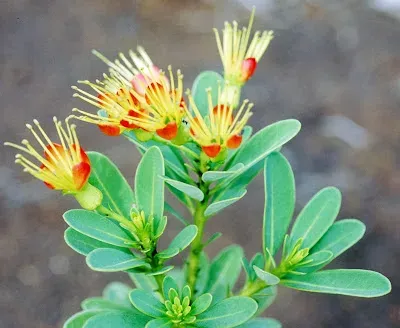
Description
Growing requirements
Xanthostemon vieillardii is a distinguished evergreen tree species belonging to the Myrtaceae family. Native to the unique landscapes of New Caledonia, this plant is well-adapted to specific mineral-rich soils and thrives in tropical environments with consistent warmth throughout the year.
The cultural requirements for this species focus heavily on maintaining high humidity and temperatures that never dip below freezing. In agricultural or horticultural settings, providing a frost-free environment is essential for the survival and long-term health of these specimens.
Soil management plays a crucial role in the development of Xanthostemon vieillardii. It prefers well-drained, slightly acidic to neutral substrates that mimic the natural ultramafic soils of its native habitat. Proper aeration of the root system is mandatory to prevent anaerobic conditions that can stunt plant growth.
Botanically, the plant is renowned for its spectacular inflorescences characterized by long, vibrant stamens that create a brush-like appearance. The foliage is typically coriaceous (leathery), providing the plant with robust resilience against high transpiration rates common in tropical sun exposure.
The primary horticultural application for this species is ornamental landscaping. Its ability to grow in challenging mineralized soils makes it a preferred choice for parks, botanical collections, and restoration projects where soil composition might inhibit the growth of less tolerant species.
Main diseases and pests
The most common disease threats involve fungal infections such as Phytophthora root rot, often triggered by excessive soil moisture and poor drainage. Ensuring that the soil remains moist but not waterlogged is the primary preventative measure for all growers managing this species.
Pests typically include common sap-sucking insects like scale insects and mealybugs. These pests can cause chlorosis or physical damage to young tender growth. Monitoring for these insects during early spring and applying localized treatments is vital for maintaining the aesthetic value of the tree.