
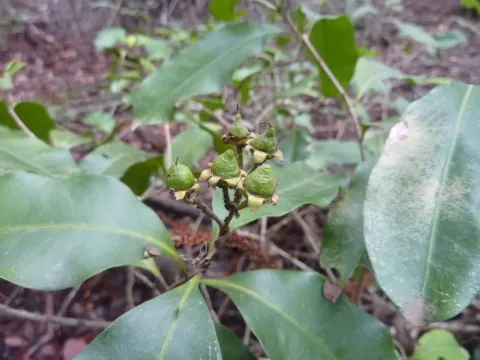
Southern Penda
Xanthostemon oppositifolius
Southern Penda (Xanthostemon oppositifolius) is a tropical tree belonging to the Myrtaceae family, native to the rainforest regions of Queensland, Australia. It is highly regarded for its dense, high-quality timber and ornamental value.
What the section contains
Southern Penda
The tree thrives in tropical environments with consistent rainfall and high humidity. It is strictly limited to frost-free zones, as cold temperatures cause irreversible damage to its foliage and vascular system.
Soil requirements involve deep, fertile, and well-drained substrates. The plant shows a preference for slightly acidic soils, which mimic the natural forest floor conditions of its endemic habitat.
The botanical structure of the tree includes opposite leaves, from which the specific epithet is derived. It produces distinctive flowers that are typical of the genus, often attracting local pollinators.
In terms of practical use, it serves as an excellent candidate for reforestation projects in its native range. Due to its slow growth rate, it is also highly sought after for specialized botanical gardens and large-scale tropical landscaping.
Phytophthora root rot poses the most significant threat to Southern Penda in managed plantations. Good drainage is essential to prevent the conditions that favor this pathogen.
Sucking insects such as scale insects and aphids can colonize the canopy during periods of drought or stress. These pests extract sap and facilitate the growth of sooty mold, which blocks photosynthesis.
Environmental threats include the fragmentation of natural habitats, which limits the genetic diversity of the species. Sustainable seed collection is necessary to maintain population health.
Fungal infections of the leaves are common during exceptionally rainy seasons, especially if the canopy is too dense. Proper spacing is required to ensure adequate airflow and sunlight penetration.
Integrated pest management (IPM) is strongly recommended for commercial cultivators. This includes the use of beneficial insects and avoiding prophylactic chemical spraying that might harm the local ecosystem.