
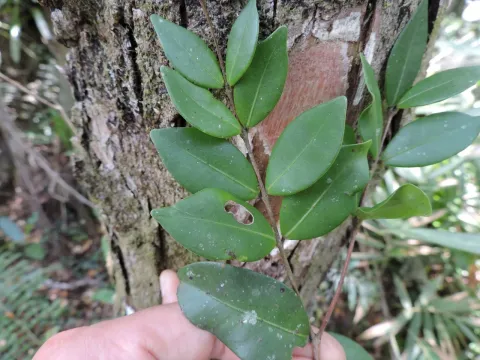
Siphoneugena
Siphoneugena
Siphoneugena is a genus of flowering plants belonging to the Myrtaceae family, sharing characteristics with well-known tropical fruit species. These evergreen trees or shrubs are native to South American ecosystems, particularly within tropical and subtropical regions.
What the section contains

Siphoneugena
The plant thrives in humid environments with high rainfall and deep, nutrient-rich soils. Successful cultivation requires a well-draining soil structure to prevent waterlogging while maintaining adequate moisture levels throughout the growing season.
Climate requirements for Siphoneugena are strict, as the plant is highly sensitive to cold weather and frost. It requires a tropical climate with consistent temperatures ideally ranging between 22°C and 28°C for optimal metabolic activity and fruit set.
Agrotechnical management involves monitoring soil pH levels and ensuring organic matter replenishment in the root zone. Regular mulching is recommended to stabilize soil temperature and retain moisture in the upper soil layers during drier spells.
The economic utility of the genus is focused on its edible fruits, which contribute to local biodiversity and food security in its native areas. These fruits are appreciated for their unique organoleptic properties and are used in various artisanal food products.
Fungal infections of the foliage are common under conditions of excessive humidity and poor air circulation. Proper pruning is essential to maintain an open canopy structure, which reduces the incidence of powdery mildew and leaf spots.
Pests such as scale insects and spider mites frequently affect Siphoneugena specimens. Integrated pest management strategies, including the use of neem oil or biological controls, are effective in keeping populations below economic damage thresholds.
Fruit flies pose a major threat during the harvesting period, as they puncture ripening fruit. Protecting the harvest often involves the application of fruit bags or non-toxic traps to prevent significant losses in yield.
Root rot is a critical threat typically linked to poor soil drainage or excessive irrigation practices. Ensuring the site has a natural or engineered drainage system is the most effective preventative measure for long-term tree health.
Nutritional deficiencies can manifest as chlorosis or stunted growth, weakening the plant's overall defense mechanism. Providing a balanced regime of macro and micronutrients helps maintain high plant vigor and resistance to biotic stressors.