
Sannantha
Sannantha
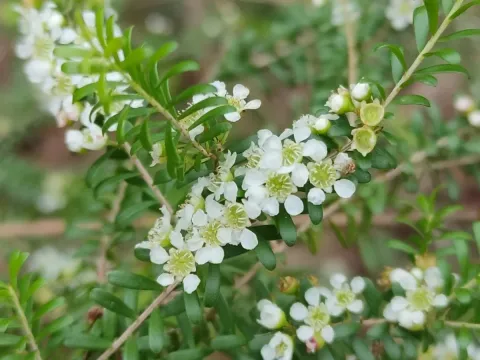
Sannantha is a genus of evergreen shrubs and small trees belonging to the Myrtaceae family. Formerly associated with the genus Baeckea, these plants are highly valued for their refined, willow-like foliage and profuse display of delicate flowers, which create an airy and elegant appearance in any landscape.
What the section contains


Sannantha
The plant originates from Australia, where it thrives in various environments ranging from coastal heaths to woodland understories. Due to its attractive growth habit, it has become a popular choice for gardeners interested in native flora, as well as those looking for unique structural plants for pot cultivation.
Cultivation requires well-draining soil with a slightly acidic to neutral pH level. As a member of the Myrtaceae family, Sannantha is particularly sensitive to waterlogged conditions, which can lead to root rot. Using a high-quality, porous potting mix is essential for container-grown specimens to ensure sufficient aeration.
Sannantha plants perform best in locations that provide plenty of bright, indirect light. While they can tolerate some partial shade, full sun exposure is necessary to encourage maximum flowering and dense growth. Protection from harsh, drying winds is also recommended to prevent leaf scorch and desiccation.
Maintenance involves routine pruning to maintain shape and encourage bushier growth. It is best to prune the plant lightly after the main flowering season has concluded. Fertilization should be applied sparingly, using a balanced, low-phosphorus fertilizer specifically formulated for native plants to avoid nutrient burn.
Common pests that may affect Sannantha include spider mites and mealybugs, especially in indoor or greenhouse settings where air circulation is limited. Maintaining optimal humidity and inspecting the undersides of leaves regularly can help prevent these infestations from escalating.
Root rot caused by Phytophthora species is a serious concern if soil drainage is inadequate. To manage this risk, it is crucial to avoid overwatering and ensure that pots have ample drainage holes. If symptoms occur, prompt treatment with systemic fungicides may be required.