
Swamp Paperbark
Melaleuca rhaphiophylla
Description
Growing requirements
Swamp Paperbark (Melaleuca rhaphiophylla) is a significant species of the Myrtaceae family, native to Western Australia. It typically grows in swampy habitats, along rivers, and around wetlands, displaying a remarkable ability to survive in waterlogged soil conditions for extended periods.
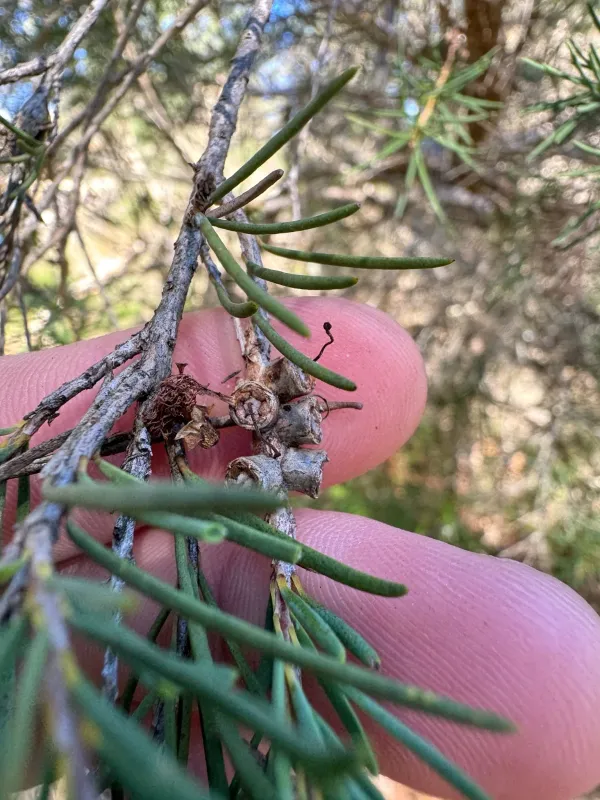
The tree is characterized by its distinct papery bark that peels off in thin, flexible sheets and its fine, needle-like foliage. During its flowering season, the plant produces dense, brush-like inflorescences, often in white or creamy-yellow hues, which are highly attractive to birds and insects.
Successful cultivation requires a location with high soil moisture and plenty of sunlight. It is an excellent choice for stabilizing banks or reclaiming marshy areas, as its root system is adapted to anaerobic conditions that would kill many other woody species.
Soil requirements for Melaleuca rhaphiophylla are quite flexible, but it thrives best in acidic, peat-based, or sandy soils. Regular irrigation is necessary for young specimens, although established trees can handle fluctuations in water levels, provided they do not experience extreme drought.
In terms of climate, it prefers warm, temperate to subtropical conditions. It is not frost-hardy and requires protection in regions where temperatures drop significantly below freezing. Its ornamental value and ecological utility make it a preferred species in landscape design near water features.
Main diseases and pests
Fungal diseases are a primary concern, especially in environments with poor air circulation and excessive humidity. Sooty mold and leaf spot can develop on the foliage, necessitating the use of copper-based fungicides to prevent significant damage during the wet season.
Pests like scale insects and mites can be problematic for this species. These pests tend to colonize the underside of leaves and small branches, weakening the plant. Regular monitoring and the application of horticultural oils or systemic insecticides help manage these populations effectively.
Root rot caused by Phytophthora species is a critical threat when the plant is grown in containers or areas with inadequate drainage. Maintaining a healthy soil microbiology and avoiding unnecessary soil compaction around the root zone is crucial for the tree's long-term survival.
Bacterial infections can sometimes enter through splits in the papery bark. While the bark naturally peels, any deep wounds should be treated carefully to prevent opportunistic pathogens from establishing, which could lead to stem decay or structural weakness.
Nutritional deficiencies, specifically iron chlorosis, are common if the soil pH becomes too alkaline. Routine testing and adjustments using organic mulches or acidifying fertilizers ensure the vibrant green color of the needles and optimal photosynthetic performance.