
Scaly-barked tea tree
Melaleuca exuvia
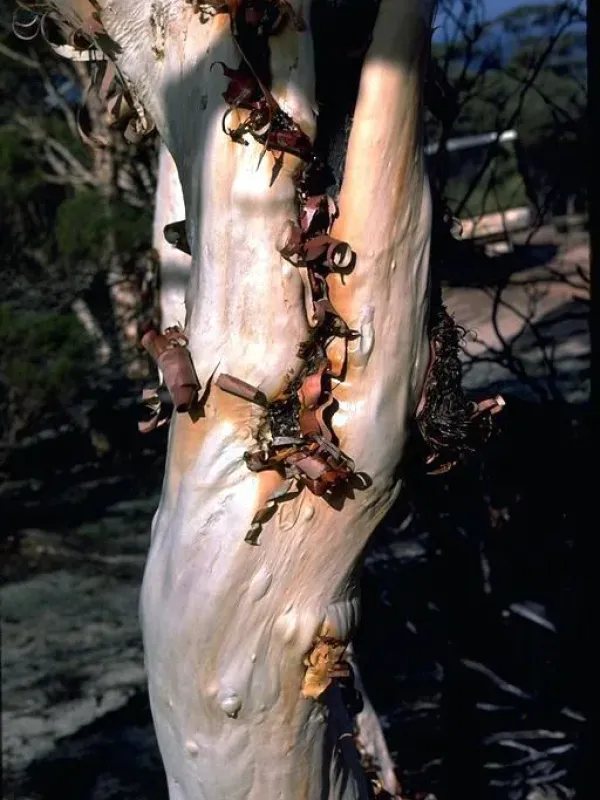
Description
Growing requirements
The Scaly-barked tea tree (Melaleuca exuvia) is a unique woody species belonging to the Myrtaceae family. Known for its distinct bark and high-value essential oils, this crop is becoming increasingly significant for specialized agricultural production in suitable climatic zones.
Originating from Western Australia, this species thrives in environments characterized by strong solar exposure and specific seasonal moisture cycles. It is botanically adapted to handle fluctuating water tables, making it a resilient choice for areas prone to temporary soil saturation.
Optimal growth requires well-drained, sandy or loamy soils with a slightly acidic to neutral pH level. Proper site preparation is essential to prevent soil compaction, which can impede root development and reduce the overall vigor of the plantation over time.
Climatically, the plant is strictly confined to frost-free regions. Temperatures below +5°C can cause significant stress, and temperatures dropping to zero or below are lethal for juvenile plants. Therefore, selecting the right microclimate is the most critical decision for any farmer.
Agricultural management requires regular monitoring of soil moisture and nutrient levels. Organic enrichment of the soil during the early stages of development significantly boosts foliage production, which is the primary source of the commercially valuable aromatic compounds.
Main diseases and pests
The primary threats to Melaleuca exuvia include various soil-borne pathogens such as Phytophthora species. These fungi thrive in stagnant water conditions and can rapidly destroy root systems, necessitating precise irrigation management and improved drainage.
Insects, particularly scale insects and spider mites, are frequent pests that damage foliage by extracting essential plant fluids. This infestation often leads to stunted growth and reduces the quality and quantity of essential oil extractable from the leaves.
Management of these pests requires a combination of cultural practices and chemical control. Regular pruning helps to maintain canopy airflow, which reduces humidity and discourages the proliferation of fungal spores and certain mite species.
Integrated Pest Management (IPM) strategies, including the introduction of natural predators and the use of botanical insecticides, are highly recommended for large-scale operations to maintain the organic integrity of the final oil product.
Crop monitoring through systematic inspections is crucial. Farmers should document the presence of any yellowing or deformed leaves, as these are often the first signs of physiological stress or pest invasion that require immediate horticultural attention.