
Sannantha procera
Sannantha procera
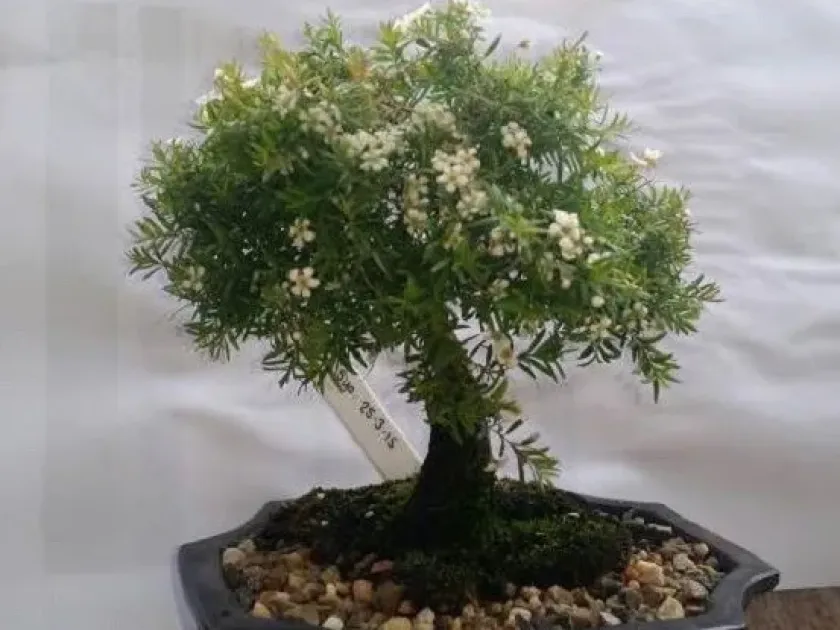
Description
Growing requirements
Sannantha procera is a member of the Myrtaceae family. It is an evergreen shrub or small tree, known for its dense foliage and graceful, slender branches that provide an elegant appearance in any landscape.
Originating from the eastern regions of Australia, this plant naturally inhabits coastal forests and well-drained slopes. It thrives in temperate climates and is sensitive to heavy frost, which is a critical factor for its successful cultivation.
The plant requires well-drained, porous soil to maintain healthy root development. It prefers substrates that are slightly acidic or neutral, enriched with organic compost to support consistent growth throughout the seasons.
Optimal light exposure is essential for Sannantha procera, as it prefers full sun or light partial shade. Adequate airflow is equally important to maintain plant vigor and prevent the accumulation of moisture within the dense canopy.
In ornamental horticulture, it is highly valued for its year-round green foliage and attractive flowering period. It is commonly used as a screening plant, a specimen shrub, or as a structural element in native-style gardens.
Main diseases and pests
Fungal infections are the most common threats to Sannantha procera, particularly in environments with high humidity and stagnant air circulation. Prevention includes choosing an open location with good airflow.
Root rot is a significant risk if the soil lacks proper drainage. To mitigate this risk, it is advised to avoid deep planting and ensure that water does not pool around the base of the plant during rainy seasons.
Pests like scale insects and mealybugs are frequently observed on the leaves and stems. These insects sap the plant's vitality, necessitating regular monitoring and the application of horticultural oils if necessary.
Spider mites can become problematic during hot, dry spells. Keeping the humidity levels stable and occasionally misting the foliage can help deter these pests from establishing colonies on the plant.
Pruning is a vital management practice for plant health. Removing dead or diseased branches ensures better light penetration and air movement, which significantly reduces the risk of pest and disease outbreaks.