
Sannantha leratii
Sannantha leratii
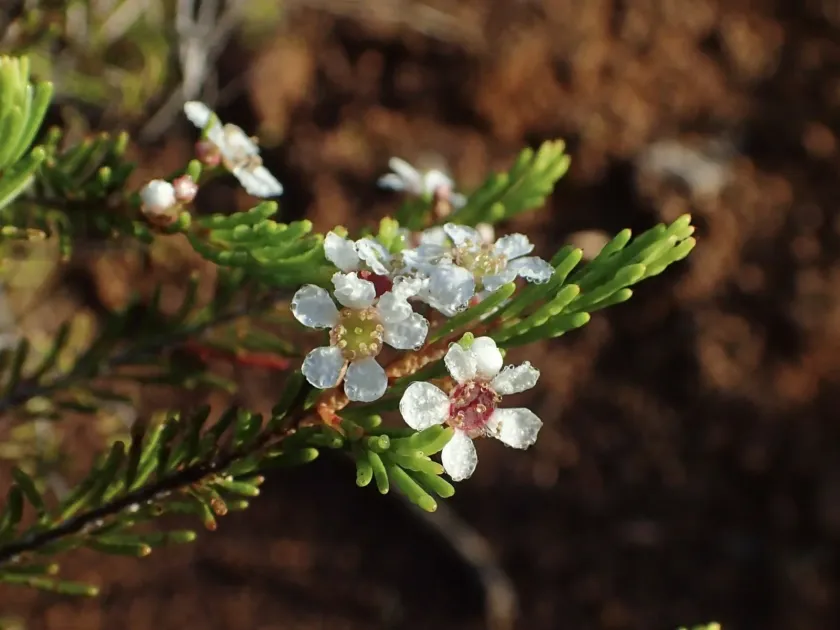
Description
Growing requirements
Sannantha leratii is an evergreen ornamental shrub belonging to the Myrtaceae family. Native to New Caledonia, this species is well-adapted to specific ecological niches and is highly regarded in horticulture for its dense foliage and aromatic, small leaves.
Botanically, the plant is characterized by a slow growth rate and a woody structure that makes it suitable for container gardening or specialized ornamental landscapes in frost-free regions. Its resilience and aesthetic value are key factors for its niche agricultural and horticultural use.
Regarding soil requirements, Sannantha leratii demands excellent drainage. The root system is extremely sensitive to waterlogging; therefore, growers should utilize porous, stony, or sandy substrates with a neutral to slightly acidic pH level.
The plant thrives in full sun exposure, which is necessary to maintain its compact growth habit. In climates with intense heat, partial shading during the peak afternoon hours is recommended to prevent leaf scorching and desiccation.
Climate adaptability is limited, as the species does not tolerate freezing temperatures. In regions outside its natural range, it must be grown in pots and moved to protected, bright environments during the colder months to ensure survival.
Main diseases and pests
Root rot, caused primarily by fungal pathogens in overwatered or compacted soil, remains the most significant threat to the health of Sannantha leratii.
Pest management should focus on monitoring for common sucking insects such as spider mites, scale insects, and mealybugs, which are particularly problematic in dry or enclosed indoor environments.
Preventative measures include regular crown thinning to improve air circulation, which significantly reduces the risk of fungal infections and creates a less favorable environment for pests.
When chemical treatments are necessary, it is advisable to use targeted systemic fungicides or insecticides, as the plant may show sensitivity to certain active ingredients.
Balanced fertilization with controlled-release nutrients, avoiding excessive phosphorus, is recommended to support healthy growth without stressing the plant's delicate root system.