
Silver-leaved backhousia
Backhousia subargentea
Description
Growing requirements
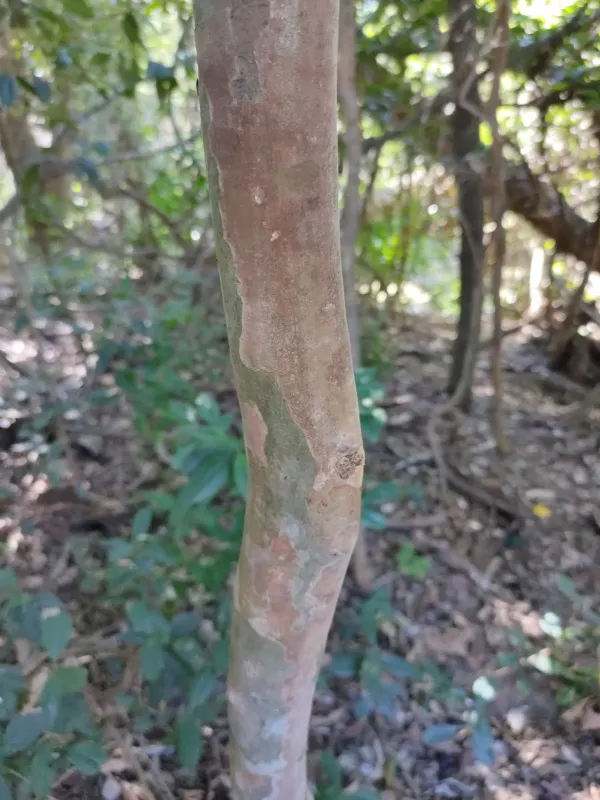
The Silver-leaved backhousia (Backhousia subargentea) is a perennial tree belonging to the Myrtaceae family. Native to the rainforests of Eastern Australia, it is prized for its aromatic foliage and unique silvery, smooth bark that peels as the tree matures.
For successful cultivation, this species requires deep, fertile, and well-draining soil. It thrives in high-humidity environments where the substrate remains consistently moist but never waterlogged, mimicking the conditions of its native tropical habitat.
Climatic requirements are strict: the plant is not frost-tolerant and demands stable, warm temperatures throughout the year. In commercial agricultural settings, this often necessitates greenhouse cultivation in temperate climate zones.
The plant prefers filtered sunlight or partial shade, especially during its juvenile growth stage. High light intensity can be detrimental, potentially damaging the delicate leaves, so maintaining a balanced light environment is critical for healthy development.
Regarding agrotechnology, regular pruning is recommended to maintain shape and promote the density of the canopy. Integrated pest management should be applied to prevent common greenhouse issues, ensuring the plant remains vigorous and productive.
Harvesting
The primary agricultural interest in Backhousia subargentea lies in the extraction of aromatic oils from its leaves. Harvesting is timed to coincide with the period of peak essential oil concentration within the plant's vegetative parts.
Leaves are typically harvested by manual pruning. Care must be taken to sanitize equipment to prevent fungal infections at the cut sites. Once harvested, the leaves should be processed promptly to preserve the integrity and yield of the essential oils.