
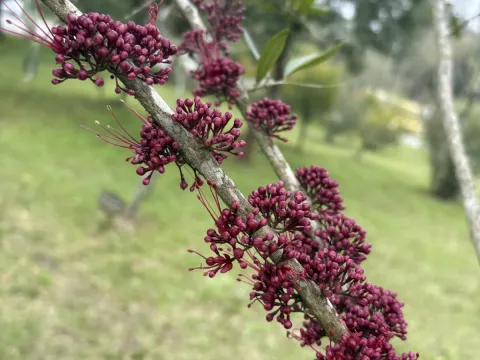
Myrrhinium
Myrrhinium
Propagation of Myrrhinium is typically achieved through seed germination or stem cuttings. Spring is the most favorable time for sowing seeds, as it ensures a stable temperature environment necessary for the development of the young root system.
What the section contains

Myrrhinium
Seeds should be sown in a well-draining, nutrient-rich substrate. Maintaining consistent soil moisture is crucial during the early stages of growth, while protecting the seedlings from extreme weather fluctuations.
Stem cuttings are best collected in late summer from semi-hardwood growth. The application of rooting hormones is recommended to increase the success rate of propagation, especially when working in nursery conditions.
Young plants require gradual exposure to direct sunlight to prevent leaf scorch. Spacing in the field should be carefully planned to ensure adequate airflow and light penetration, which is vital for the health of Myrrhinium shrubs.
In colder regions, containerized cultivation is highly advised. This method allows growers to provide the necessary protection during the winter months, ensuring the plant survives until the next growing season.
As a member of the Myrtaceae family, Myrrhinium thrives best in warm, subtropical climates. It is highly sensitive to frost and requires a sheltered location with protection from harsh winter winds.
The plant prefers light, sandy, or loamy soils with a neutral to slightly acidic pH level. Excellent drainage is non-negotiable, as waterlogged soil often leads to root rot in this species.
Sunlight exposure is a critical factor for the development of both the shrub and its fruit. While it appreciates full sun for maximum production, it may benefit from light shading during the hottest hours of the day in tropical climates.
Regular but moderate irrigation is necessary, particularly during the growing season. It is vital to avoid over-watering, as the plant prefers the soil to dry out slightly between irrigation cycles.
Nutrient management involves applying balanced fertilizers throughout the growing season. Late-season applications should focus on potassium-rich formulas to help the plant harden off before entering dormancy.
The productivity of Myrrhinium is significantly influenced by the level of care and environmental conditions provided. With sufficient sunlight and optimal spacing, the shrub can produce a substantial crop of edible berries.
Fruit set begins after the shrub reaches a mature state, typically several years after planting. Early yields might be modest, but mature plants often provide prolific harvests if pruned correctly.
Harvesting should be timed according to fruit ripeness. The berries are valued for their unique aromatic profile and are used in various culinary applications, including preserves and fresh consumption.
Strategic pruning is essential to maintain high yields. By removing old wood and thinning out dense branches, the plant can focus its energy on producing new, fruit-bearing growth.
The quality of the harvest depends heavily on the plant's ability to store resources. Proper seasonal maintenance ensures that the berries reach their full flavor and nutritional potential.
Fungal infections are the most common issue for Myrrhinium, often resulting from stagnant air and excessive soil moisture. Proper plant spacing and pruning are the best preventative measures.
Scale insects and spider mites are frequent pests that can impact the plant's vitality. Regular scouting is recommended to catch infestations before they cause significant damage to the foliage.
Management of pests involves the use of environmentally friendly insecticidal soaps or systemic treatments when necessary. Always ensure that the treatment does not negatively impact the edibility of the fruit.
Poor soil health or nutrient imbalances can lead to chlorosis or weakened plant defense systems. Keeping the root zone healthy is the primary defense against bacterial and fungal soil-borne diseases.
Sanitation practices, such as removing fallen leaves and pruning infected twigs, are essential for maintaining a healthy plantation and preventing the spread of secondary pathogens.
Harvesting should be conducted with care to avoid damaging the delicate fruit. It is best to gather berries in the cool of the morning to ensure better shelf life and quality.
Berries should be packed in ventilated containers to prevent moisture build-up and decay. Careful handling during the harvest process is crucial to maintaining the visual appeal of the final product.
Post-harvest storage should be in a cool, dark, and well-ventilated environment. Processing the harvest shortly after gathering is recommended to ensure the highest flavor quality for the consumer.
Post-harvest care involves inspecting the shrubs for any damage sustained during the picking process and applying necessary repairs to prevent entry points for pathogens.
Sorting the fruit by size and maturity allows for a more efficient sales process and ensures that consumers receive a consistent, high-quality product, free from overripe or damaged berries.