
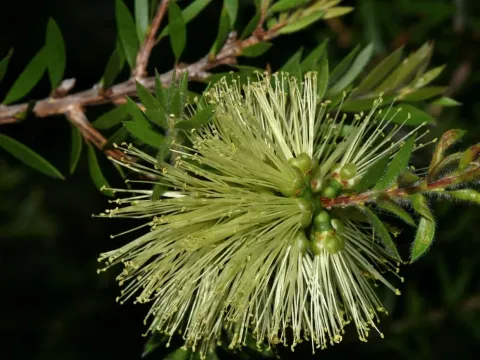
Melaleuca viridiflora
Melaleuca virens
Propagation of Melaleuca viridiflora is typically performed by sowing seeds in a controlled nursery environment. The seeds are exceptionally small, requiring a fine-textured, moisture-retentive substrate to ensure successful germination without burial.
What the section contains
Melaleuca viridiflora
The optimal sowing time is early spring, which allows seedlings enough time to harden off before the onset of extreme temperatures. Consistent humidity is crucial during the germination phase, often requiring the use of misting systems.
Once seedlings develop their first true leaves, they are pricked out into individual pots. This stage is delicate, as the young root systems are sensitive to both drought and excessive fertilization.
Hardening off young plants before field planting is a mandatory process for commercial success. This involves gradually acclimating seedlings to outdoor temperatures and light intensity over several weeks.
When transferring to the field, ensure that plants are spaced appropriately to account for their mature size. Proper planting depth should align with the original nursery container level to avoid stem collar rot.
Melaleuca viridiflora, a member of the Myrtaceae family, is native to tropical wetlands and savannas. It thrives in full sun and requires well-drained but consistently moist soil to achieve optimal growth rates.
The crop demonstrates remarkable tolerance for various soil types, including acidic and swampy grounds where other crops might fail. However, deep, fertile soils significantly increase biomass production.
Temperature sensitivity is a limiting factor, as the species is not frost-hardy. For commercial plantations in non-tropical zones, greenhouse protection or site selection with no history of freezing is essential.
Adequate ventilation is critical in dense plantings to prevent fungal outbreaks. The crop benefits from supplemental irrigation during dry periods, although established trees show moderate drought resistance.
Fertilization regimes should focus on providing a steady supply of nitrogen and micronutrients to maintain healthy foliage. Over-fertilization should be avoided to prevent excessive succulent growth that attracts pests.
The primary economic output of Melaleuca viridiflora is its essential oil, which is distilled from the leaves. Yields are calculated based on the tonnage of foliage harvested per hectare.
A typical harvest cycle begins when the tree reaches four to five years of age. Pruning encourages the development of new, high-oil-content lateral branches, allowing for multiple harvests in intensive plantation setups.
The quality of the final product is dictated by the chemical composition of the oil, which varies according to the specific chemotype and environmental factors. Monitoring these during the growing season is a standard industry practice.
Mechanical harvesting techniques are widely employed in modern plantations to trim the canopy. This method maximizes foliage recovery while minimizing damage to the woody scaffold of the trees.
Post-harvest management involves timely processing of the raw material. Delaying distillation can lead to the oxidation of sensitive aromatic compounds, thereby reducing the commercial value of the oil.
While the tree contains potent volatile oils that act as natural repellents, it remains susceptible to specific pathogens. Root rot, caused by Phytophthora species, is a significant threat in poorly drained soils.
Foliar diseases, including leaf spot and various rusts, can occur in highly humid or stagnant air conditions. These infections often manifest as discolored spots and premature leaf drop.
Pests such as scale insects and spider mites are frequent nuisances in nursery or greenhouse conditions. They thrive in low-humidity environments, necessitating regular scouting and targeted management.
Integrated Pest Management (IPM) is recommended to control populations without damaging the plant's essential oil profile. This includes encouraging beneficial predator insects and using organic-based miticides.
Sanitation plays a vital role in disease prevention. Removing debris from under the trees and ensuring proper spacing between plants are the most effective ways to break the disease cycle and ensure a healthy crop.