
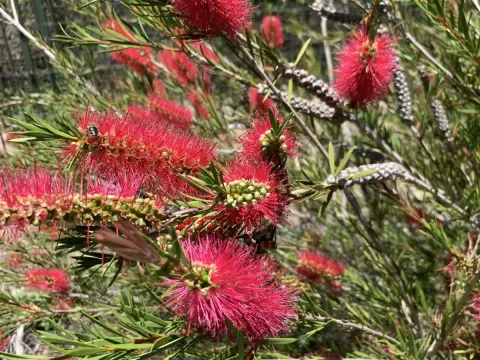
Melaleuca subulata
Melaleuca subulata
Melaleuca subulata is a woody shrub belonging to the Myrtaceae family, native to the arid environments of Western Australia. This species is highly adapted to nutrient-poor, sandy soils and harsh sunshine.
What the section contains
Melaleuca subulata
The botanical architecture of the plant is defined by its small, awl-shaped (subulate) leaves, which serve as an adaptation to reduce transpiration. The flowers typically form dense, spike-like clusters, characteristic of the genus Melaleuca.
For agricultural production, it is crucial to select sites with excellent drainage. The species thrives in sandy or gravelly soil profiles, as the root system is highly sensitive to waterlogging, which often leads to root collar rot.
The plant requires full sun exposure to maintain its compact growth habit and consistent flowering cycles. In regions where it is cultivated as an industrial crop, climate control is essential, as the species is intolerant of severe frost.
Economically, this culture is valued for its volatile oils and potential use in landscape restoration. The unique chemical composition of its foliage provides raw materials for aromatherapy and botanical pest control products.
The primary threats to Melaleuca subulata are related to fungal pathogens such as Phytophthora, which thrive in waterlogged conditions. Proper irrigation management is the most effective preventative measure.
Insect pests including scale insects and mites can become problematic in sheltered or greenhouse environments. These pests primarily target the soft new growth, reducing the plant's overall vigor.
Management strategies involve the integration of biological controls and targeted chemical treatments. Regular monitoring for signs of stress or infestation is critical for maintaining healthy, productive stands.
Fungal leaf spots may appear if air circulation is insufficient within the plantation. Pruning and spacing are key agronomic practices that improve canopy ventilation and reduce humidity levels.
Maintaining a balanced nutrient profile is essential, as excessive fertilization can attract piercing-sucking insects. Using specialized slow-release fertilizers can help prevent such infestations.