
Mountain guava
Psidium montanum
Description
Growing requirements
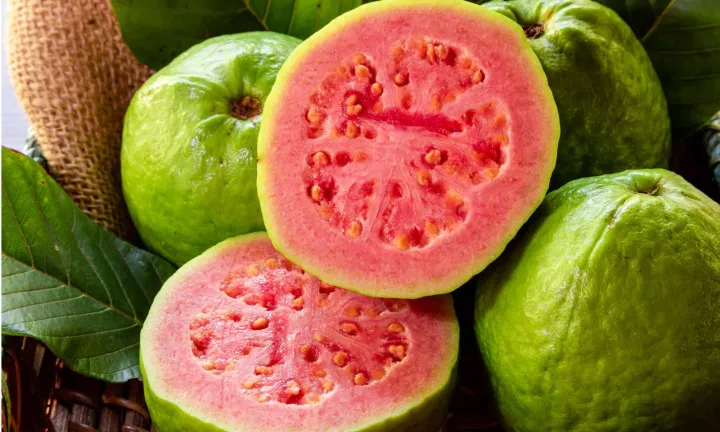
Mountain guava (Psidium montanum) is a distinct species within the Myrtaceae family, known for its preference for high-altitude tropical environments. As a perennial evergreen shrub or small tree, it exhibits a morphology adapted to cooler, mountain conditions compared to the common guava species.
The plant is native to the higher elevations of the Caribbean, particularly found in the mountainous regions of Jamaica. This specific geographical origin dictates its climate needs, favoring temperate tropical zones where the heat is moderated by elevation and consistent moisture is available.
Cultivation requires well-drained soil rich in organic matter to mimic its natural forest habitat. The soil should ideally be slightly acidic to neutral, ensuring that nutrients remain bioavailable while preventing the root rot that often plagues Psidium species in heavy, waterlogged soils.
Optimal growth conditions involve moderate temperatures, ideally between 18 and 25 degrees Celsius. While it is more robust than lowland varieties, it still lacks cold hardiness and must be protected from frost and harsh, desiccating winds that can damage the delicate terminal buds.
In terms of irrigation, consistent soil moisture is vital during the growing season. While the species is adapted to some seasonal variations in rainfall, supplemental irrigation during dry periods is highly recommended to ensure fruit set and prevent premature leaf drop.
Main diseases and pests
The main pests affecting mountain guava include soft scales and mealybugs. These sap-sucking insects often congregate on the undersides of leaves and at the nodes of new growth, causing chlorosis and promoting the growth of sooty mold on the honeydew they secrete.
Fungal pathogens such as leaf spot and various anthracnose strains pose significant risks in high-humidity environments. These diseases can quickly defoliate a plant if not managed through proper air circulation and timely applications of appropriate fungicidal treatments.
Cultural control measures, such as proper spacing and strategic pruning, are the first line of defense. By improving air movement through the canopy, gardeners can reduce the micro-humidity levels that pathogens require to colonize and spread across the plantation.
Integrated Pest Management (IPM) is strongly advised for this crop. Utilizing predatory insects and horticultural oils can effectively manage pest populations without the negative environmental impact associated with heavy chemical applications, which can also harm the native pollinators.
Regular monitoring of the orchard is essential for early detection of potential outbreaks. Gardeners should inspect the stems and leaf axils periodically, particularly during transitions between wet and dry seasons, to ensure that any pest or disease incidence is addressed before it becomes a systemic problem.