
Melaleuca tortifolia
Melaleuca tortifolia
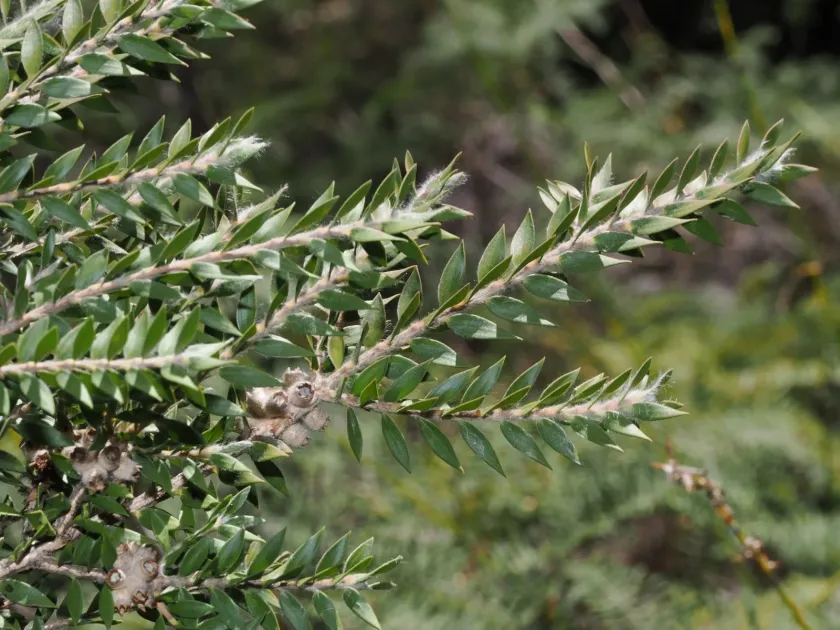
Description
Growing requirements
Melaleuca tortifolia is a perennial evergreen shrub belonging to the Myrtaceae family. It is native to Australia, where it is found in diverse habitats characterized by its distinct, twisted, narrow leaves that give the species its specific botanical name.
The plant thrives in well-drained sandy or loamy soils. It is highly adapted to sunny environments, requiring full exposure to sunlight to maintain its compact growth habit and produce essential oils in its foliage.
Temperature requirements generally fall within the range of 15°C to 30°C. While it is somewhat resilient, it prefers stable climatic conditions and protection from severe frosts which can damage the delicate terminal growth.
Agronomic management requires consistent irrigation, particularly during the establishment phase. As a drought-tolerant species once mature, it can handle minor water shortages, but regular moisture is key for industrial biomass yield.
The economic value of this crop is primarily linked to its ornamental potential and its chemical composition, which includes volatile oils often used in aromatherapy and personal care products.
Main diseases and pests
Root rot caused by waterlogging is the primary threat to the health of Melaleuca tortifolia. Ensuring excellent drainage is the most effective preventative measure against soil-borne pathogens.
Common pests include spider mites and mealybugs, which are particularly prevalent in greenhouse environments or during extended dry periods, affecting the quality of the foliage.
Integrated pest management (IPM) is recommended, focusing on the introduction of beneficial insects or the use of neem-based solutions to control outbreaks without damaging the plant's delicate tissues.
Leaf spots caused by fungal infections can occur during periods of high humidity and poor ventilation. Keeping the canopy pruned helps significantly in reducing these occurrences.
Regular monitoring of nutritional levels in the soil is also important, as nutrient imbalances can make the plants more susceptible to secondary infestations and overall decline.