
Melaleuca torulosa
Melaleuca torulosa
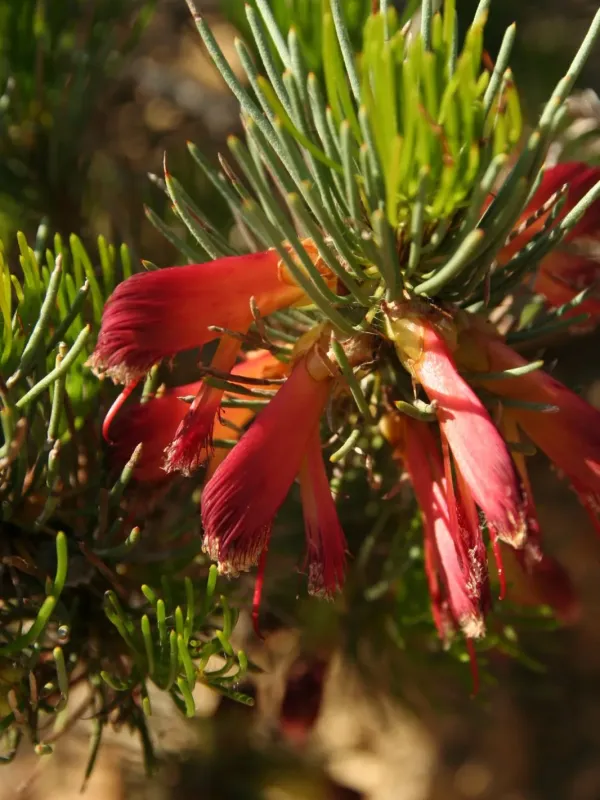
Description
Sowing dates
The sowing of Melaleuca torulosa seeds is typically performed in early spring within controlled environments to ensure high germination rates. Given the minute size of the seeds, they should be sown on the surface of a light, sterile seed-starting mix.
Maintaining a consistent temperature between 22°C and 25°C is crucial for the successful germination of this species. High humidity must be provided during the early stages, often achieved by covering the containers with glass or plastic film.
Once the seedlings develop their first true leaves, they should be carefully pricked out into individual pots. This transition phase requires extra attention to avoid damping-off diseases, which can quickly wipe out young plantings.
Hardening off the seedlings is an essential step before moving them to their permanent location. Gradually exposing the plants to outside conditions over a two-week period builds resilience against environmental stress.
Optimal growth is achieved when the plants are spaced correctly, allowing for sufficient air circulation. Depending on the intended use, planting densities can range from dense hedging to single specimen planting for maximum tree development.
Growing requirements
Melaleuca torulosa, belonging to the Myrtaceae family, thrives in well-drained, sandy soils that mimic its natural Australian environment. It has an excellent tolerance for poor soil quality, provided that water does not accumulate around the root collar.
Sunlight is the most critical factor for this species; it requires full sun exposure to maintain its vigor and promote the accumulation of essential oils. Shaded areas result in leggy growth and increased vulnerability to pests.
While the plant displays moderate drought tolerance once established, regular irrigation during the first year is vital. In mature trees, deep watering during extended dry spells helps maintain health and appearance.
Nutritional needs are relatively low. Over-fertilization, especially with phosphorus-rich products, can be detrimental. A slow-release fertilizer designed for native Australian plants is the safest choice for maintaining long-term health.
Protection from extreme frost is necessary for younger trees. While mature specimens are hardier, they can suffer damage during severe, prolonged winter freezes, so site selection should prioritize sheltered spots if living in marginal zones.
Harvesting
Harvesting Melaleuca torulosa for essential oil production is best timed during the peak growing season when foliage is lush. Using sharp, clean shears ensures minimal tissue damage, promoting faster recovery of the branches.
Distillation must occur immediately following the harvest to preserve the volatile compounds. This approach ensures the highest quality of the final oil extract, which is highly sought after for its medicinal properties.
Routine pruning serves a dual purpose: it yields biomass for industrial use and maintains the desired shape of the plant. Removing older or diseased wood periodically also improves the overall health of the tree.
The harvest cycle can be managed to ensure a steady supply of greenery throughout the year, especially for ornamental purposes. Its unique bark and foliage make it a popular choice for high-end floral design.
Proper record-keeping of harvest yields per plant helps in optimizing the management of the plantation over time, allowing for better site selection and maintenance scheduling in subsequent cycles.