
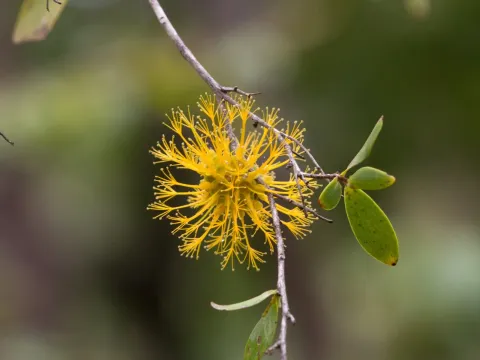
Asteromyrtus
Asteromyrtus
Asteromyrtus is a genus of evergreen woody plants belonging to the Myrtaceae family. These plants are closely related to better-known members of the family such as Eucalyptus and Melaleuca, sharing similar morphological adaptations common to tropical and subtropical flora.
What the section contains


Asteromyrtus
The native range of this genus is concentrated in tropical regions of Australia, New Guinea, and surrounding archipelagos. In their natural habitat, these plants inhabit humid forests and wetland peripheries, demonstrating a high degree of specialization to specific environmental niches.
Successful cultivation requires high levels of ambient light, preferably bright but indirect, to prevent scorching of the foliage. These plants are sensitive to extreme temperature fluctuations and must be kept in environments that mirror their native tropical conditions.
Soil requirements focus on well-drained, acidic to neutral substrates enriched with organic matter. Proper drainage is the most critical factor in their agrotechnical management, as the root systems are highly susceptible to damage caused by waterlogging and poor aeration.
The primary utility of Asteromyrtus lies in ornamental horticulture. Its unique floral structure, often characterized by clustered blooms, makes it an attractive choice for exotic gardens, conservatories, and specialized landscaping projects in suitable warm-climate regions.
The most significant threats to the health of Asteromyrtus are soil-borne pathogens, specifically fungal root rots, which are triggered by improper watering practices. Maintaining a consistent moisture level without creating stagnant water conditions is essential for prevention.
In terms of pests, growers should remain vigilant against infestations of spider mites, scale insects, and mealybugs, which thrive in indoor or greenhouse environments with low humidity. Periodic inspection and the application of integrated pest management strategies are necessary to ensure the longevity of the plant.